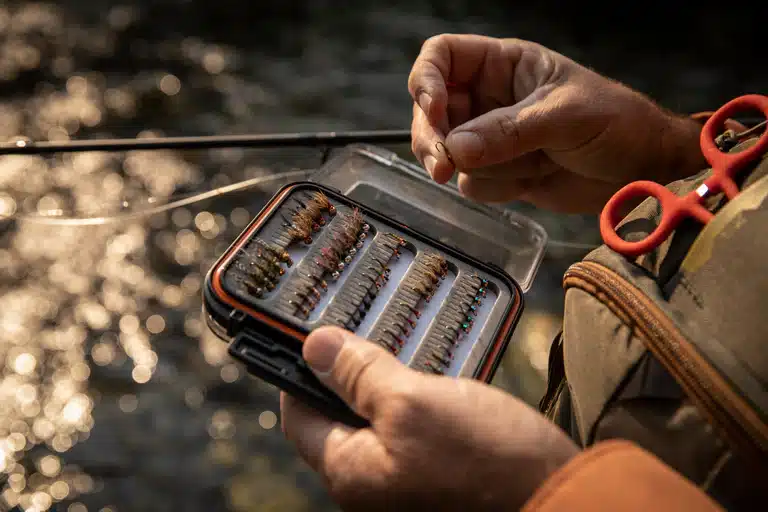
When approaching a stream and deciding which fly to use, I typically have two consecutive thought processes—first general, then specific. Initially, I study the water to be fished and decide whether to start with a dry fly, nymph, or streamer. To do this, I observe the water’s prevailing characteristics—is it fast, slow, deep, shallow, clear, or colored? If fast, I know fish have to make a quick decision about my fly, and I can often get away with a single heavy nymph, a high-floating dry, or a streamer that fishes well on either a swing or on the strip. If slow, fish have far more time to examine my pattern, often meaning I choose smaller dry flies and nymphs that are more exact matches to the food found naturally in the water, or a streamer designed to be stripped. If deep, I expect fish to feed most often in the lower half of the water column, usually meaning two heavy nymphs beneath a large, buoyant dry fly or indicator; a dry fly only if I see rising fish; and a heavily weighted streamer. If clear, I assume fish will be spooky and selective, meaning fly choice will be important, but only as important as a gentle presentation. If colored, I need to choose flies that will be visible to fish—bulky, dark nymphs, large dries with lots of movement, and streamers with plenty of flash. Of course, the water will often be a combination of the above—perhaps fast and shallow, slow and clear, deep and colored, etc. And the water type can change from one part of the stream to another, so I am constantly analyzing when a fly change is needed. All of these factors will shape my fly choices, as will any knowledge I have of the primary food sources available in any given piece of water.
My second thought process refines the first. Now that I understand the style of flies I’ll use in the water before me, it’s time to turn those general observations into specific patterns. Regardless of the water type, my first choice is always dry flies, as I love seeing fish come to the surface.
As I approach the water, I’ll spend several minutes watching for rising fish. This is a discipline that demands patience and often a trained eye.
If the fish are rising aggressively, they’re easy to spot, but when the water’s surface is broken, subtle rise forms can easily be missed. I like to dedicate a solid ten minutes to watching the water in front of me, eyes drifting relentlessly back and forth, alert for any small bulge or gentle crease that doesn’t belong.
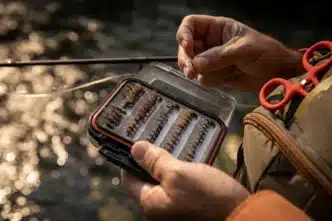
If I spot a riser, or risers, I’ll try to discern what they’re eating by watching for insects floating on the water’s surface or flying above it. If it’s a mayfly or caddis hatch, or even a smaller stonefly, I’ll almost always pluck a Missing Link from my box. This little dry has proven incredibly effective over the years in nearly all dry-fly situations, including non-hatch scenarios. I’ll try to match the size to what the fish are eating. Here in Northern California, that’s typically a size 16, with 18s a close second. If larger bugs are hatching—up to size 12s—I’ll choose my Missing Link size accordingly. If the water is slow-moving, the hatch is a small mayfly, and the fish are selective, I’ll start with a Stealth Link in size 16 or 18. (As a bonus, this fly is also deadly in stillwater, where fish are keying in on Callibaetis mayfly adults and emergers.) If they refuse this, my go-to pattern for extra-tough fish is a size 18 Film Critic—though harder to see on the water and a delicate fly that is quickly drowned in broken water, it is money for trout that have seen everything.
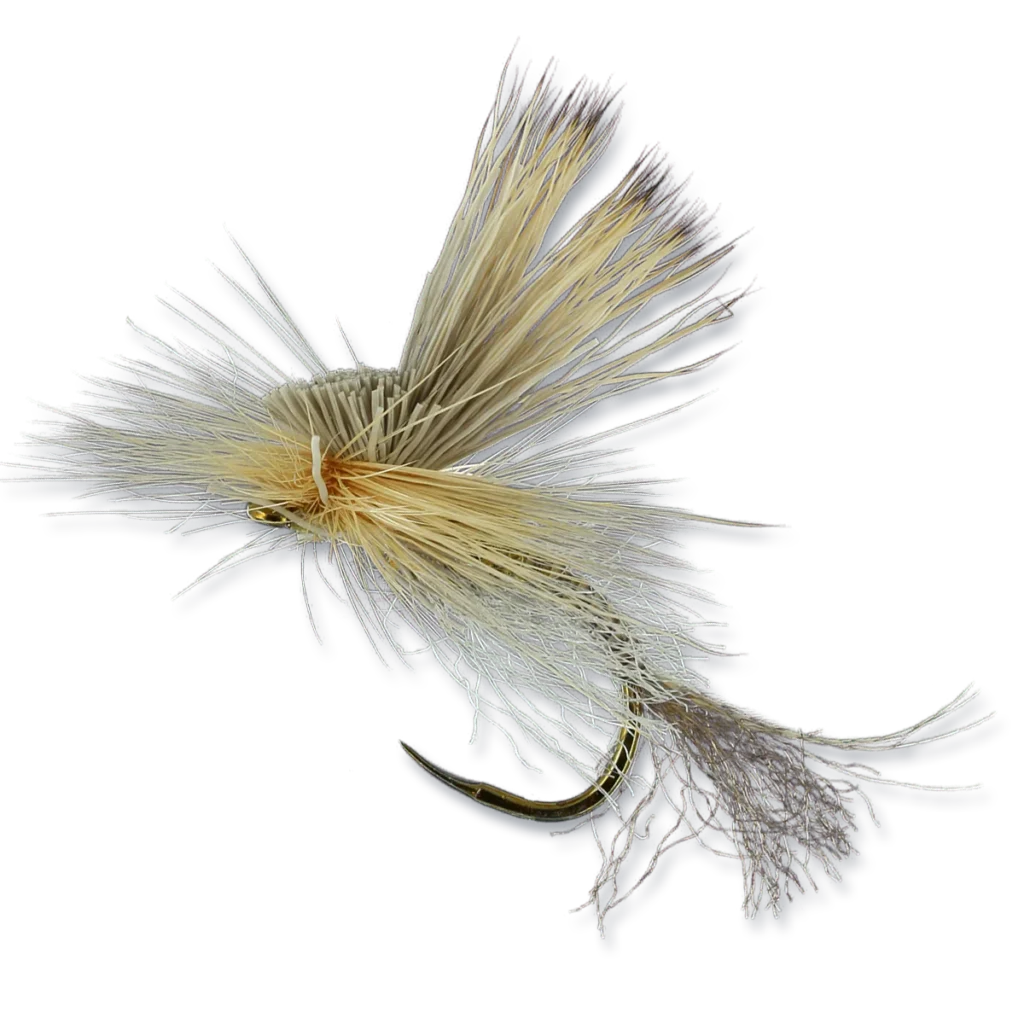
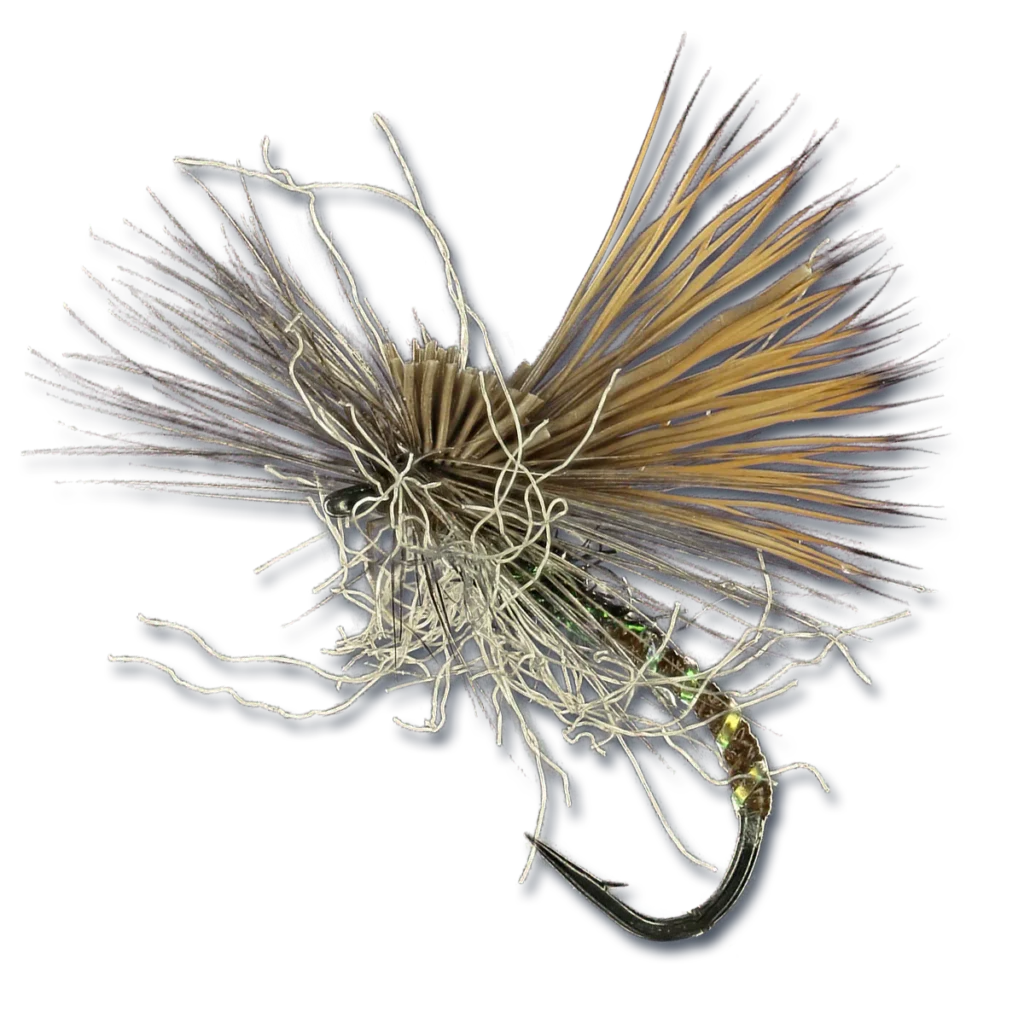
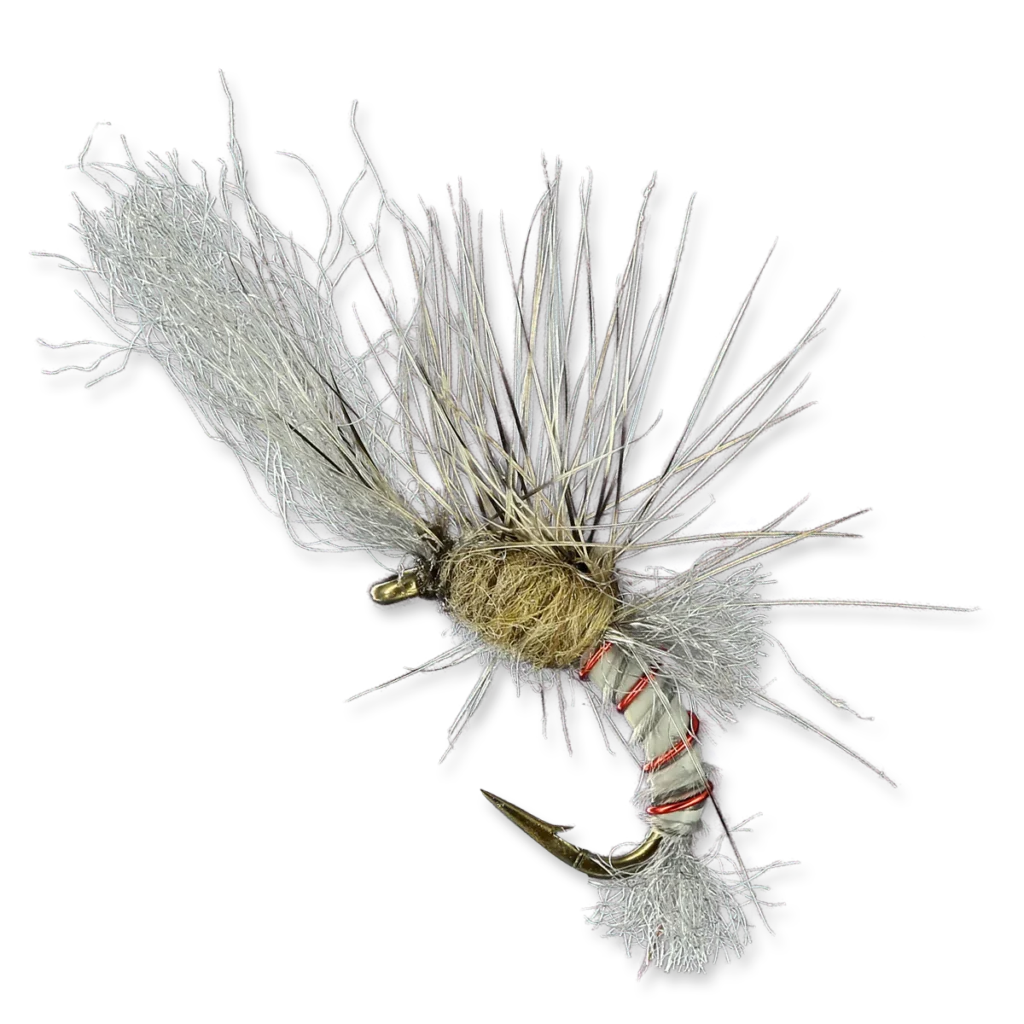
If large flying insects are available, I’ll match them with appropriate patterns. For salmonflies and golden stones, I like Double Chubbies—they float high and are easy to see, yet sit down in the film realistically, and their synthetic legs seem to drive fish crazy. If green drakes are emerging, I like a matching Stealth Link in slow water or a Foam Profile Green Drake in swifter flows.
If no fish are rising, I will often still start with a Missing Link and cover the water thoroughly. Many times, I have been pleasantly surprised to find fish as willing to rise to this pattern as to take a subsurface pattern. But just as often, water, weather, and insect nuances will keep the fish from looking up, and it is time to choose a nymph.
Though I love trying new nymph patterns, both tied by others and my own, it is surprising how often I use a two-nymph rig with a brown Pat’s Rubberlegs as the top fly and a smaller nymph on the bottom. This rig achieves several things. First, the Rubberlegs is fairly heavy, so it gets deep quickly and pulls the smaller nymph down with it. Second, the Rubberlegs, though a quintessential stonefly pattern, even seems to attract fish where stoneflies are not present. In particular, in fast, deep water, I cannot imagine a better choice. I will select the smaller bottom fly based on the smaller insects I know to be present in the stream, with an eye toward what might be emerging at the time I’m there. Favorites include slim-profile Perdigons, Jiggy Micro Mays, small beaded Prince Nymphs, Frenchies, and my own Swing Caddis.
If the water is shallow, the Rubberlegs often sink too quickly, so I switch to a double-nymph rig with smaller beaded patterns in fast water—often a CDC-hackled P.T. or Bird’s Nest on top and a Perdigon on the bottom. If the water is slower, I often choose a single small Sweet Pea or Weiss Nymph, or a non-beaded P.T. nymph.
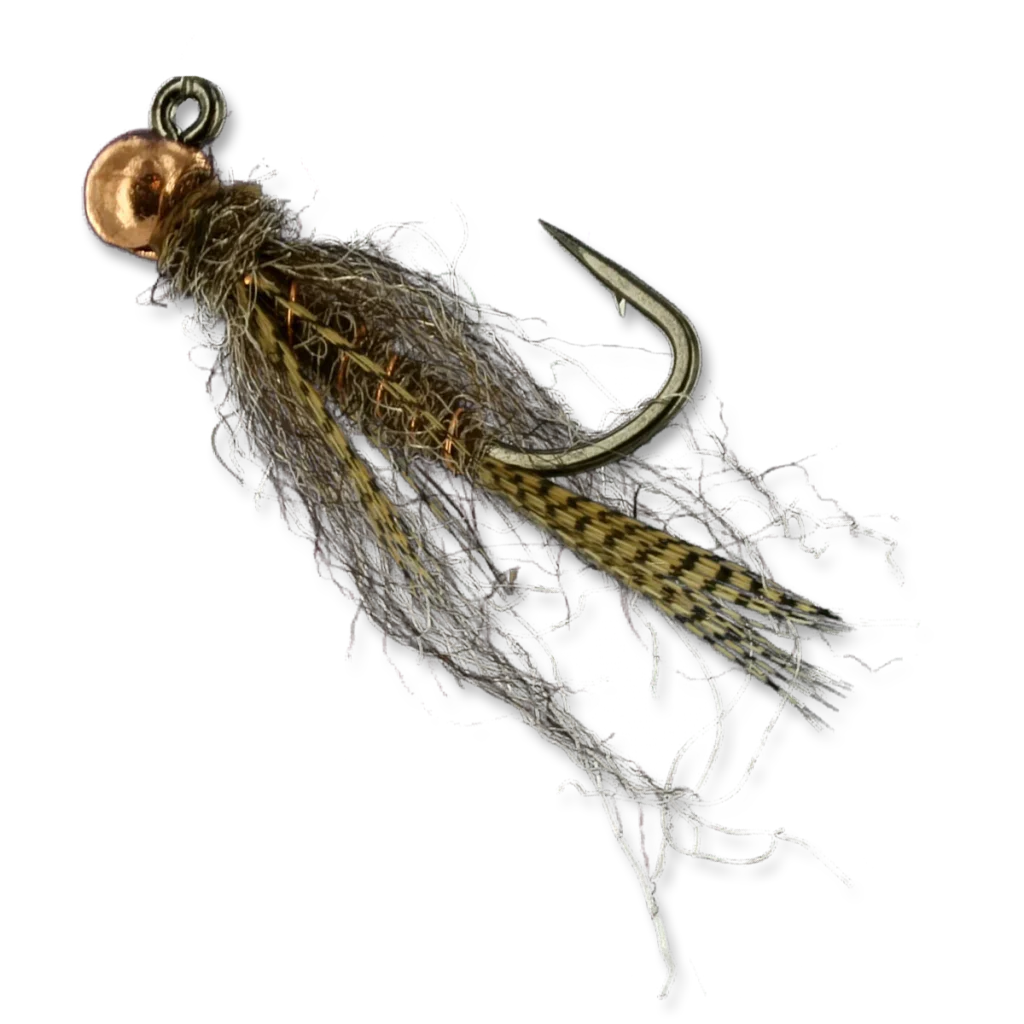
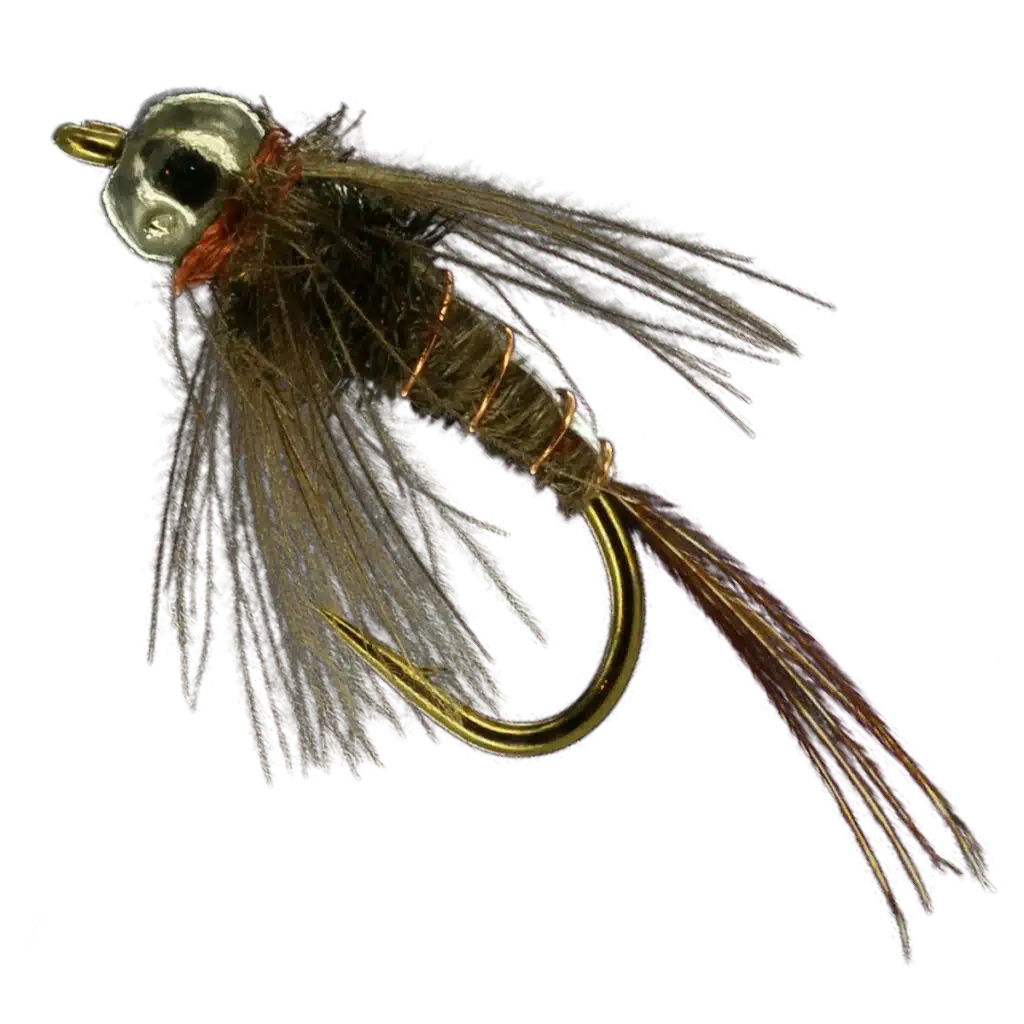
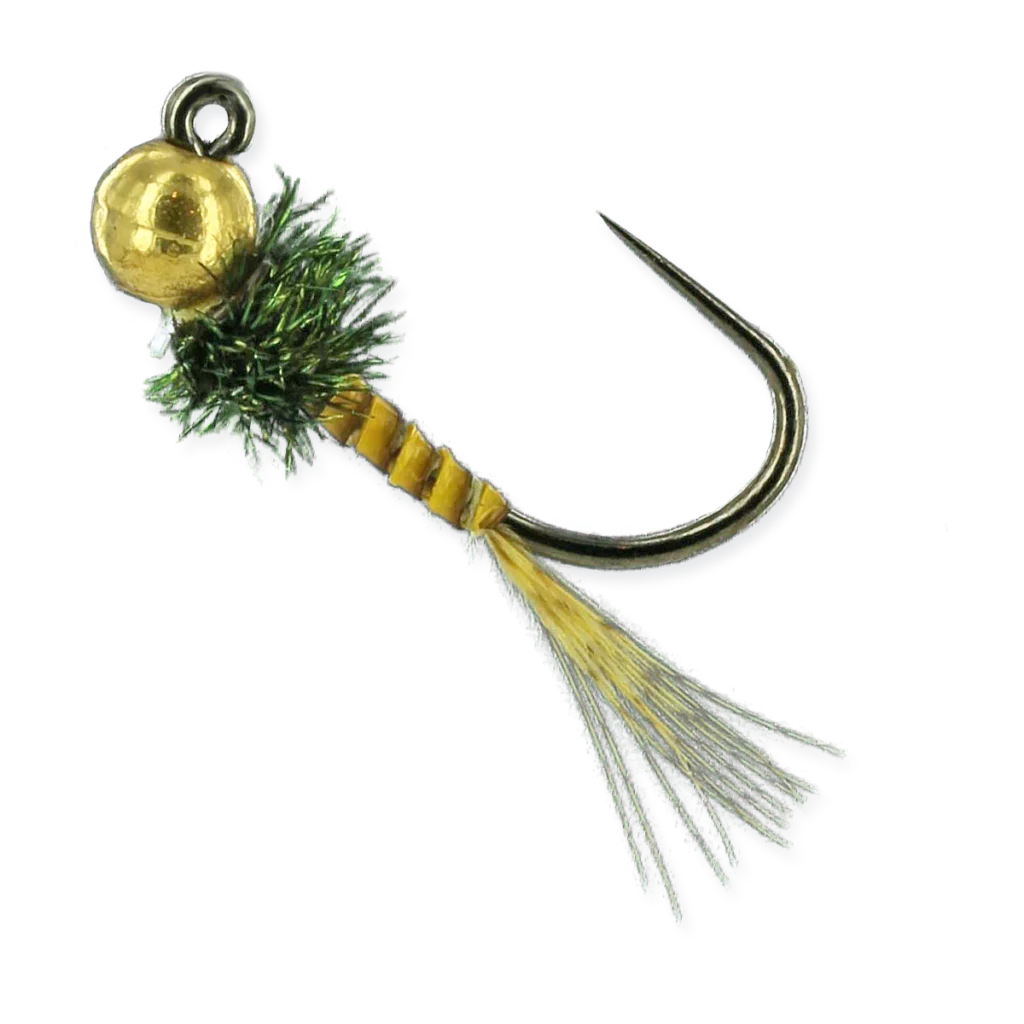
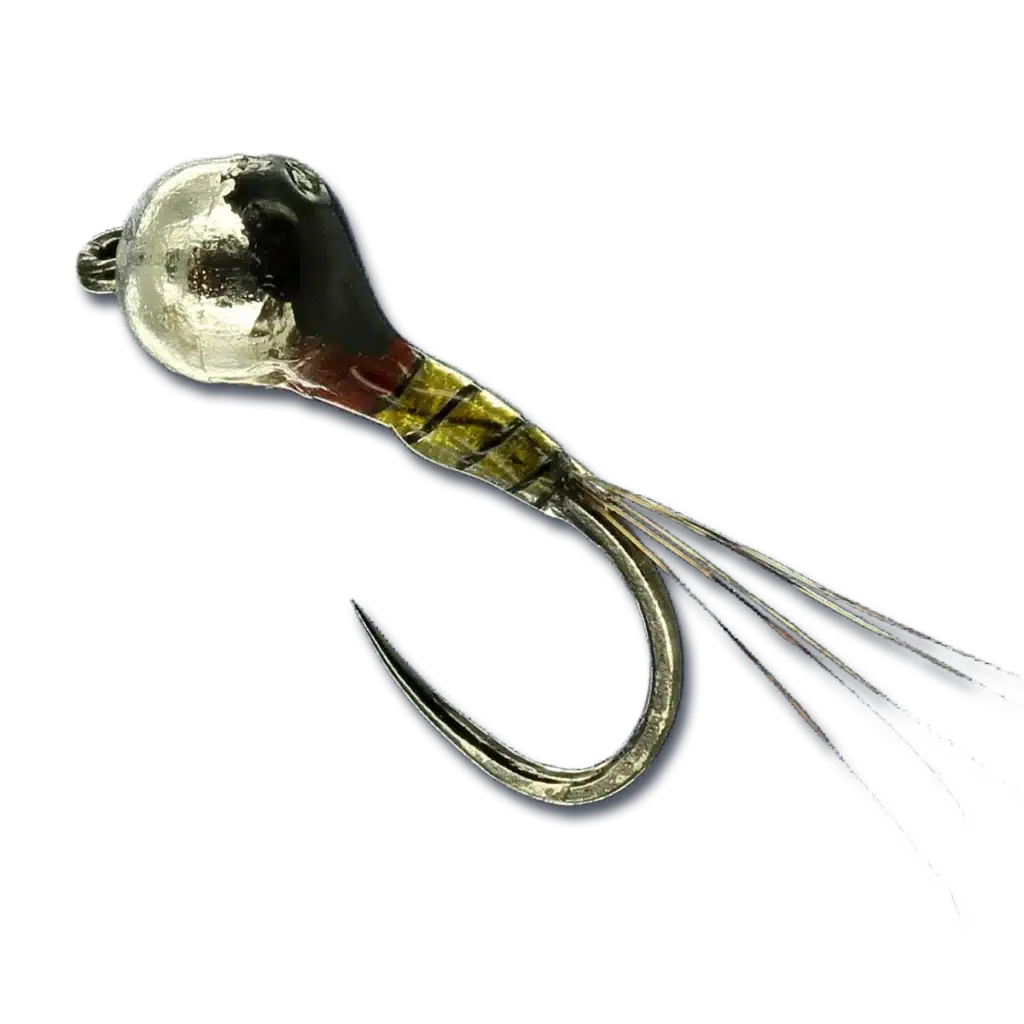
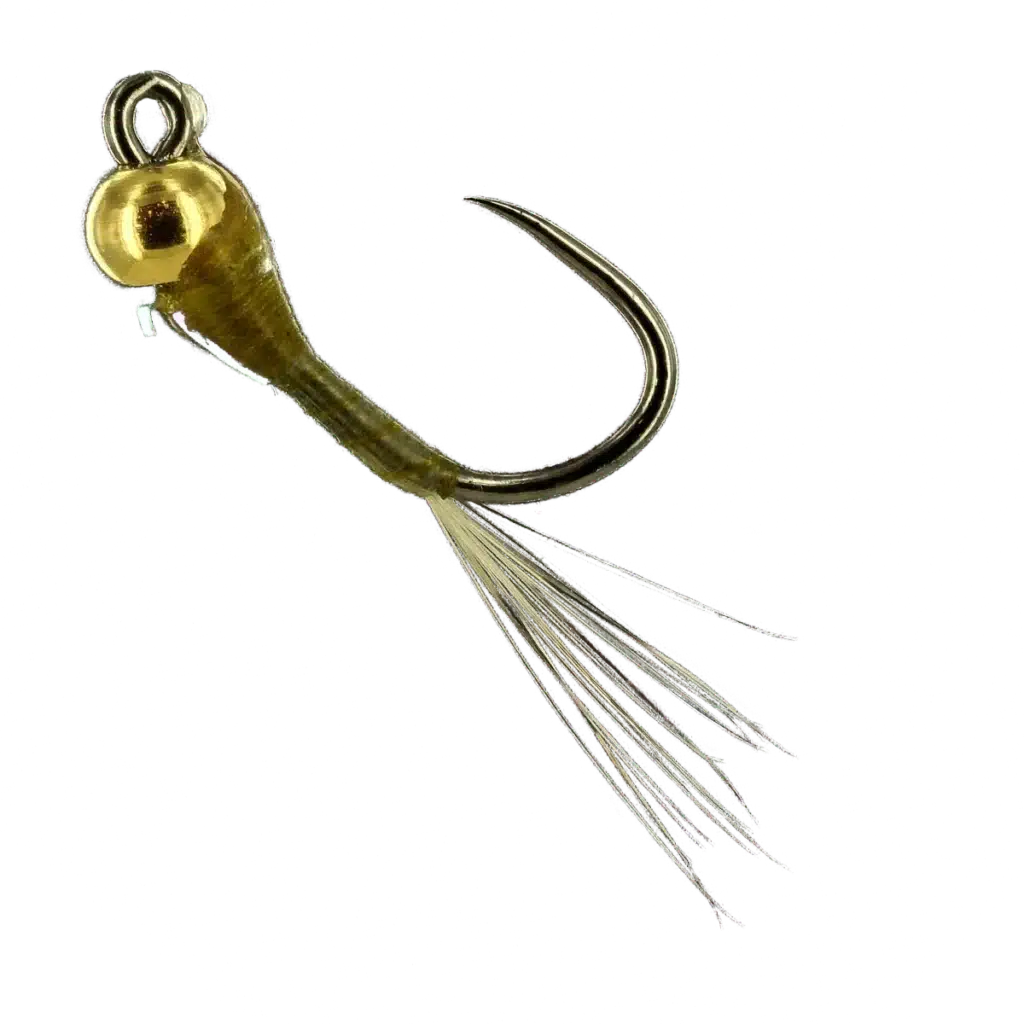
Water clarity rarely factors into my choice of nymphs unless the water is badly stained. If so, it’s hard to beat a Pat’s Rubberlegs in black or brown. In clearer water, for me, it’s more about choosing a fly that most closely resembles the insects the fish are seeing most often.
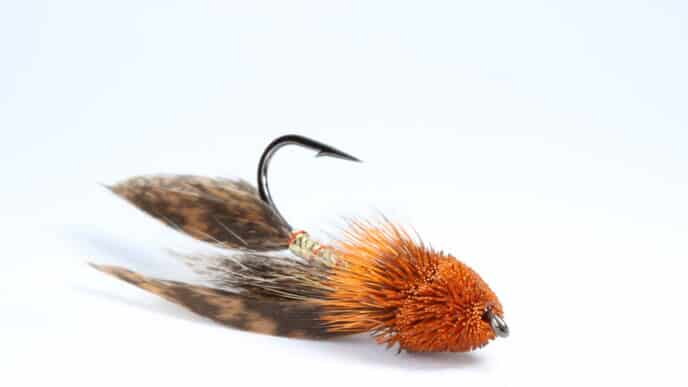
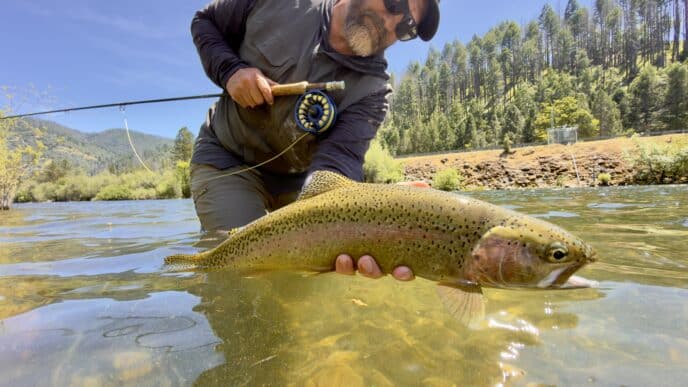
As much as I fish streamers in faraway places like Alaska and Patagonia, I rarely reach for them in my home waters. Certainly, they can be effective at finding large fish, especially in low-light conditions, and fishing them requires a skill set all its own, one I enjoy. Yet many of our Northern California rivers have dense insect biomass, which means the fish are keyed in on a ready supply of smaller prey. A great example is the Lower Sacramento River, which begins a short way above downtown Redding and flows cold and clear for dozens of miles. The river is loaded with big, wild rainbow trout, and I have tried fishing streamers here on many occasions over the years, almost always with mediocre results. I’m convinced this is because, with the heavy populations of mayflies, caddis, stoneflies, and midges present, even 20-25-inch fish— traditionally the size of fish that sometimes switch diets from bugs to larger bites—don’t feel the need to expend the energy to chase down a sculpin or other baitfish. Not when they can effortlessly gorge on a never-ending supply of food that requires almost no effort to catch and consume. Having said that, I’m rarely without a few streamers in my box. My favorites include Dali Lamas, beaded Wooly Buggers, a few of Kelly Galloup’s articulated monsters, and a handful of smaller leeches in various colors.
I hope these thoughts and time-tested techniques work for you, wherever your favorite rivers may be!