
There are countless ways to be introduced to the world of fly fishing, but for many modern anglers, the story is the same: “I saw A River Runs Through It.”
Adapted from a semi-autobiographical 1976 novella by Norman Maclean, the 1992 Robert Redford film follows the early life of Montana native Norman Maclean and his charismatic yet troubled younger brother, Paul. While the novella captured the hearts of a national audience, the film catapulted the story onto the international stage, and with that increase in fame came an amplified and unexpected influence on the fly-fishing industry and beyond.
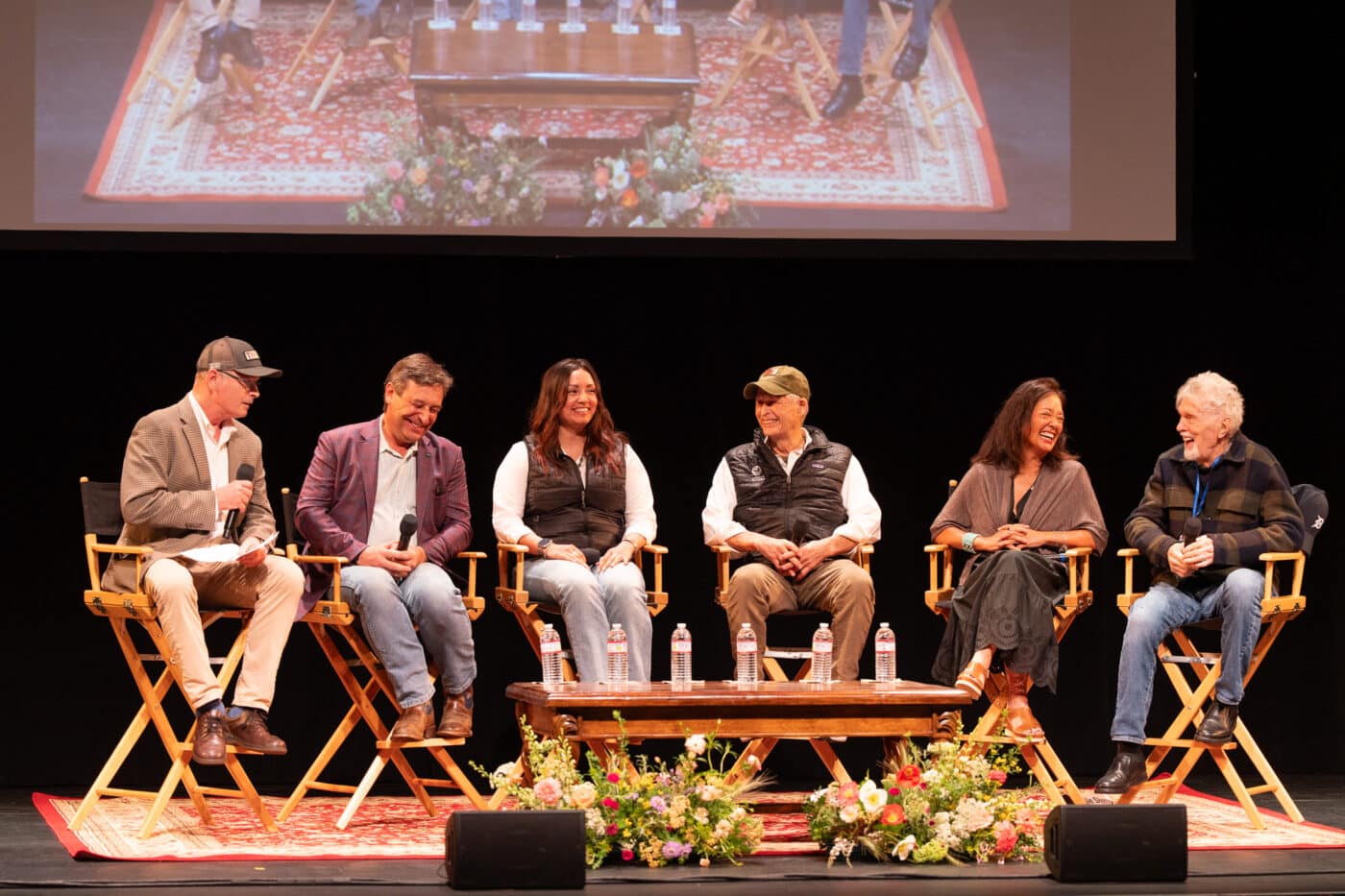
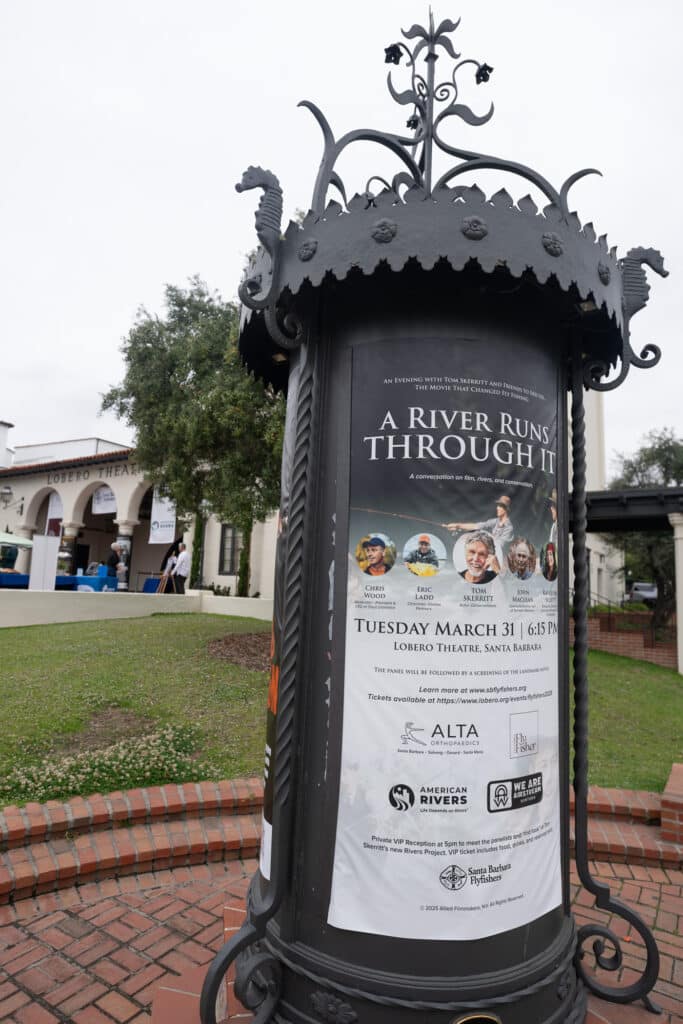
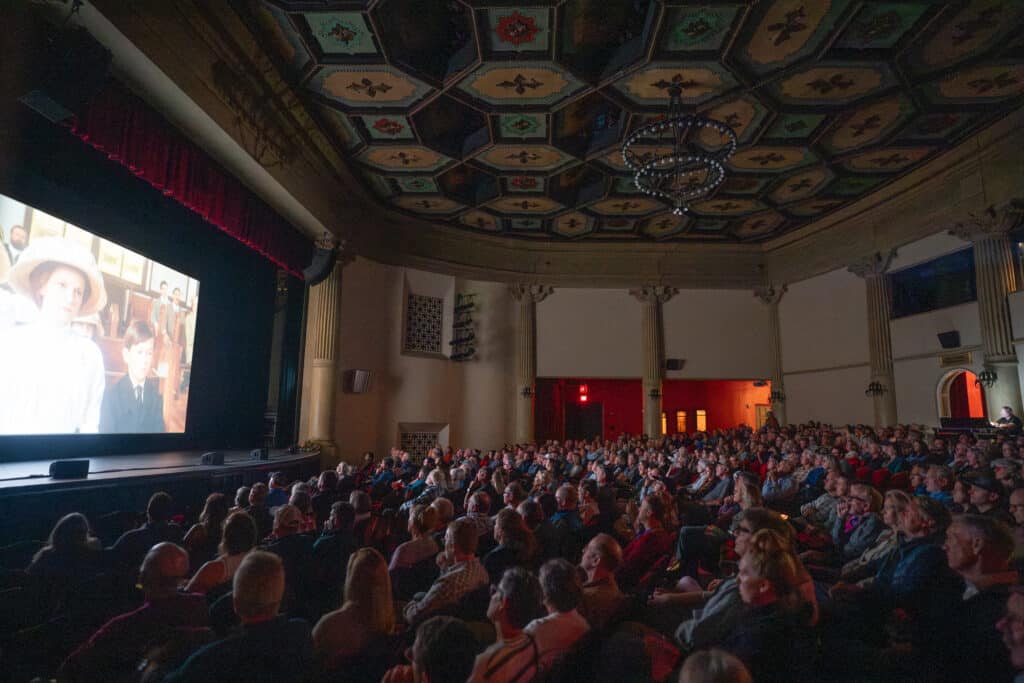
This year marks the 50th anniversary of the novella’s debut, and with any major milestone comes a natural catalyst for re-evaluation. This past March, the Santa Barbara Flyfisher Club hosted a screening of A River Runs Through It, preceded by a panel discussion about the film and the aftereffects of its release. Panelists included actor Tom Skerritt, author John Maclean, Executive Director of the Columbia Snake River Campaign Kayeloni Scott, and CEO of regional developer, Outlaw Partners, Eric Ladd.
The discussion highlighted the film’s cultural and financial impact on fly fishing, as well as the attention it brought to conservation efforts. Chris Wood, Trout Unlimited President and CEO and moderator of the panel, hailed the film for its contributions to conservation. “Membership of Trout Unlimited doubled in one year after that wonderful movie came out,” said Wood. “Fly fishing moved from this somewhat arcane sport practiced by a bunch of us geeks into the immensely popular pastime that it is today.”
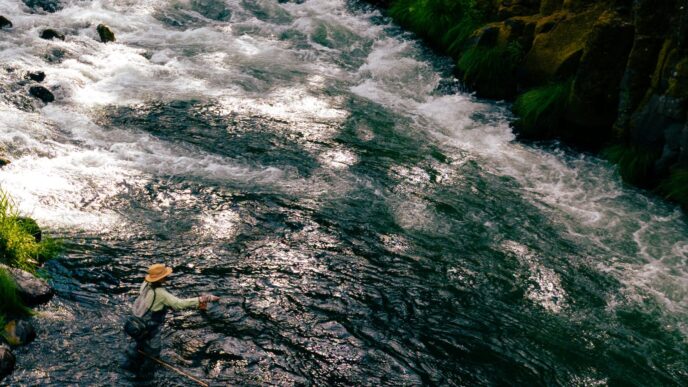
With sweeping shots of wild countryside and rushing rivers, the movie brought international audiences to a place many didn’t know existed. “This film provided viewers the opportunity to be able to connect because outside of film, the only way for people to connect with places is by taking them there, and that isn’t a privilege everyone can afford,” said panelist Kayeloni Scott. “It helped grow the conservation movement by getting people to fall in love with and know that we have these wild, beautiful places right here in our own country.”
There’s more to the story of the work’s significance than the panel could cover in a single hour. Further conversations with fly-fishing and conservation voices paint a more complete picture of what the River phenomenon created and the power and influence it still holds today.
Whenever a cultural phenomenon brings abrupt change to an established outfit, there’s bound to be some carping among the existing vanguard. “After the movie came out, there was a lot of eye-rolling within the industry,” said Tom Rosenbauer, celebrated writer, podcaster, and educator for Orvis, as well as Head of Product Development for Fishing at Orvis at the time of the film’s release. “‘Oh god, the movie’ was the big line. People got tired of hearing about it. I would never have thought it would have the effect that it did, which goes to show you how powerful Hollywood is.”
While consumers were drawn to the sport after the movie hit theaters, they weren’t always ready to out their inspiration. “Shortly after the film came out, people didn’t want to admit they got interested in fly fishing from A River Runs Through It,” says Rosenbauer. “It was uncool at the time to admit that you were influenced by it.” Over time, the fear of appearing as a bandwagoner faded. “Now, when you talk to people who are in their 50s, they will readily admit that they got started in fly fishing because of the film.”
It’s not easy to accurately quantify the increase in the number of fly fishers in the aftermath of River’s silver-screen debut, but gear sales offer some insight. Rosenbauer estimates that Orvis saw an 18 to 20 percent increase in fly-fishing gear sales in the year following the release, which is especially substantial considering the typical industry annual increase of 3 percent. Unexpected sub-industries blossomed, with masses of trout-centric t-shirts, jewelry, and swag suddenly appearing at tradeshows and shops. Fly shops and guiding services sprang up across Montana and, soon after, across the country as demand surged in the years following the film’s release. Suddenly this niche sport had mainstream attention.
The creation of an army of fly fishers, while good for business, had unintended consequences. Montana saw a surge in non-resident temporary fishing licenses and an influx of visitors. This seasonal visitation turned into a burst of real estate purchases, which over the years has led to property values soaring. “All of the development has had great financial consequences,” says John Maclean, son of A River Runs Through It author Norman Maclean, and an acclaimed author himself. “The cost of a home in Missoula has quadrupled, and young people who are born in Missoula have been priced out of the market. That’s not a good thing. That has happened because so much outside money has poured in.”
More people on the water also means more pressure on the fish and the ecosystems they inhabit. “You create all these new anglers, but what happens when there are too many?” asks Scott Bosse, Northern Rockies Regional Director at American Rivers. “We used to think of the top threats to fly fishing being new dams, mines, clear cuts, or developments. But overcrowding with recreationists is now in the top tier of challenges we face.” Without some of the newly minted recreationists becoming conservationists, waters like those shown in the movie would be in trouble. “Wild native trout need pristine environments to survive,” says Bosse. “You can’t fish in a compromised environment because the fish aren’t there. They require the clearest, coldest water with the cleanest spawning gravels. So, to have those fish around, you need to be a conservationist.”
This overcrowding of passionate anglers has had a silver lining. With money comes power, and the over $1 billion in annual revenue generated by Montana’s sport-fishing industry has done its part to spur politicians into action to protect the lucrative sector and the revenue it brings to the state. An example of this is the creation of The Blackfoot Clearwater Stewardship Act, championed by Wild Montana and introduced by Sen. Jon Tester. The Act has seen overwhelming support from Montanans, according to a UM Public Lands Survey, but has been held up in Congress over issues about how wild lands are used. The Act would add 80,000 acres to existing wilderness areas and protect four crucial tributaries of the Blackfoot River. New compromises to the Act have been proposed, and its passage would be a boon for conservation efforts, and would protect a vital driver of the state’s economic health. As a testament to the power of storytelling, “Wild Montana has suggested renaming it The River Runs Through It Act,” said Maclean. “The goodwill from River for conservation has been extreme, and it’s at least as important as the money that comes out. Money doesn’t come in if you don’t have the water.”
With media juggernauts like Yellowstone and The Madison hitting the zeitgeist in more recent years, A River Runs Through It can’t take full credit for changes in the state. Even so, the film can stake a claim as the first to draw such ardent public attention to the rivers of Montana. You won’t hear the word ‘conservation’ in the film, but a good campaign is often subtle. Maclean says the message his father wove into the story is to engage with the river and make it a part of your life, and the rest will follow. Looking at the support for the Blackfoot Clearwater Stewardship Act, that certainly seems to be the case.
At the end of the day, River is a story that, at its core, is about the people and how we remember them. Maclean has spoken of his father’s work across the country and is regularly approached by people who relate to Norman Maclean’s attempts to help his little brother, Paul. “The economic impact has been great, but the cultural impact has been more lasting and important,” said Maclean. “The book is really about family. That’s the way my dad saw it; a story of two brothers. He was happy it was accepted by the fishing community. But to him, the core theme was the brothers.” The emotional and personal experiences people have with the film and the novella may not be quantifiable, but that doesn’t mean they aren’t there. The rise in both dollars spent and number of anglers spending them wouldn’t be possible without the parade of emotions the story elicits in its audience, and the connection to both people and place that those emotions foster.
In the decades since the world first met the Maclean brothers a lot has changed, but the power of storytelling has remained constant. A River Runs Through It has shifted culture beyond fly fishing, and it continues to shape the places it helped put on the map. It still has the power to bring people to the river, both to fish it and to protect it. And the river has the power to bring people together.