There are few fly fishers who haven’t been affected in some way by A River Runs Through It.
Originally a 1976 novella by Norman Maclean, the 1992 film adaptation directed by Robert Redford catapulted the work onto the international stage. Viewers across the globe were captivated not only by the engaging narrative but also by the breathtaking and reverential depiction of the American West and, of course, fly fishing. In the immediate aftermath of the film’s release, the fly-fishing industry saw a clear increase in anglers, as evidenced by gear sales and river visitation. Guide services and fly shops across the country sprang up to meet the demands of new customers eager to get to know their home waters and beyond. Conservation groups saw an uptick in both interest and funding, especially for Montana rivers like the Blackfoot, where the film was set. Suddenly, fly fishing seemed attainable for the everyman, and “The Movie” was the reason.
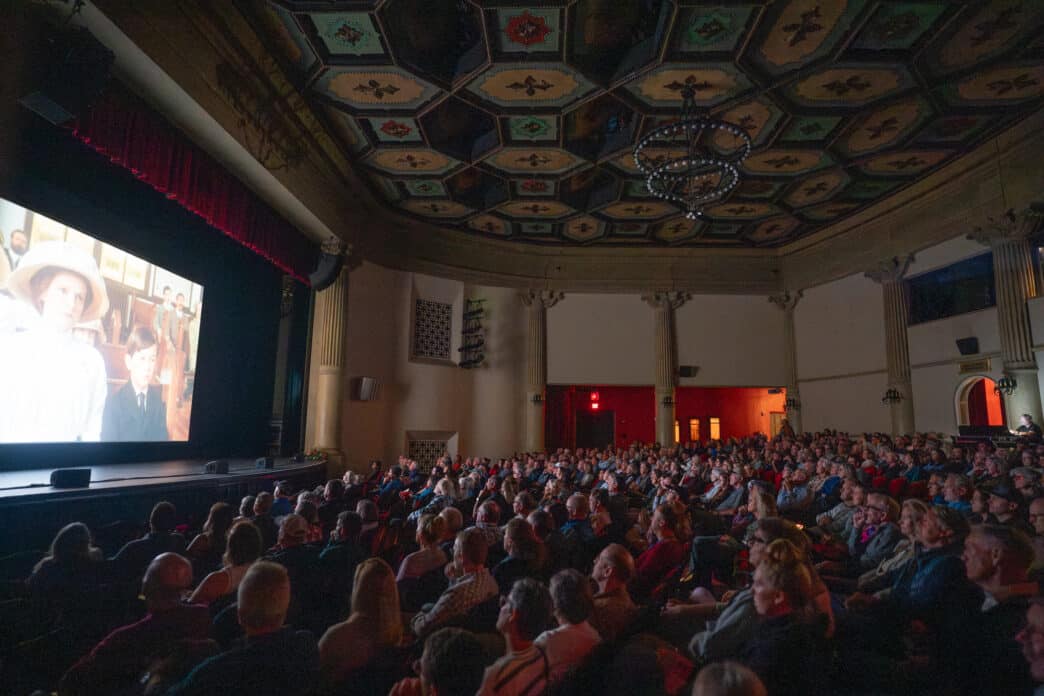
On March 31st, the Santa Barbara Flyfishers hosted a screening of the genre-defining film at the historic Lobero Theatre in downtown Santa Barbara, an evening designed to celebrate the film and those drawn to it. “I have always believed there were many people in this region who were interested in the outdoors, nature, and specifically fly fishing,” said John Grace, the club’s Marketing and Events Chairman. “This event is one more step in growing that community.”
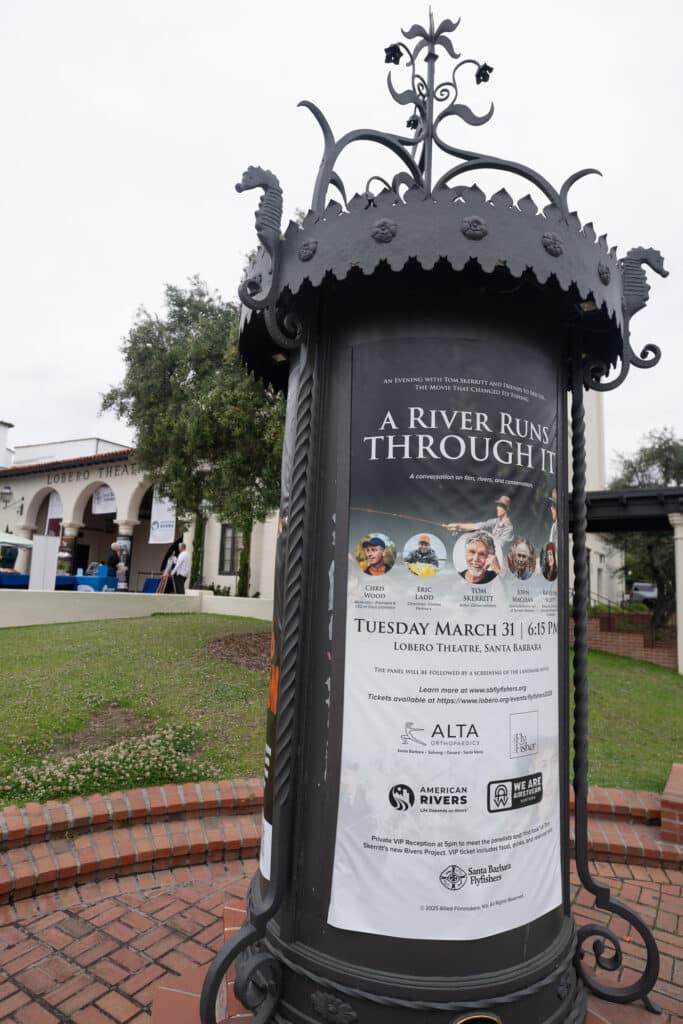

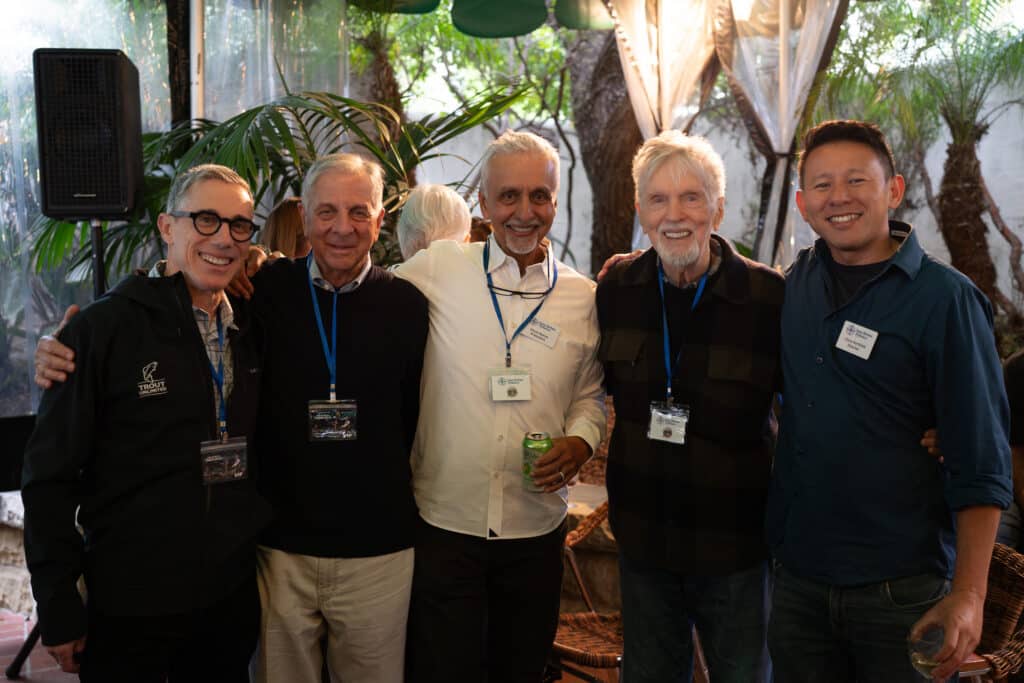
The event brought together community members and conservationists, including actor Tom Skerritt. At 92, Skerritt remains active in his conservation work, fueled by a passion for rivers that began with his role as Reverend Maclean in A River Runs Through It. Before the main event, VIP ticket holders were treated to a first look at Skerritt’s “Rivers” project, a film venture he is working on alongside his wife, Julie Tokashiki. The captivating two-minute trailer offers snapshots of Skerritt’s home life over the years, along with peaceful yet powerful fly-fishing footage, as Skerritt’s voiceover reads some of A River Runs Through It’s more influential lines. If the trailer is any indication, Skerritt’s project will forge a similarly powerful connection between nature and family that permeates the 1992 Redford film.
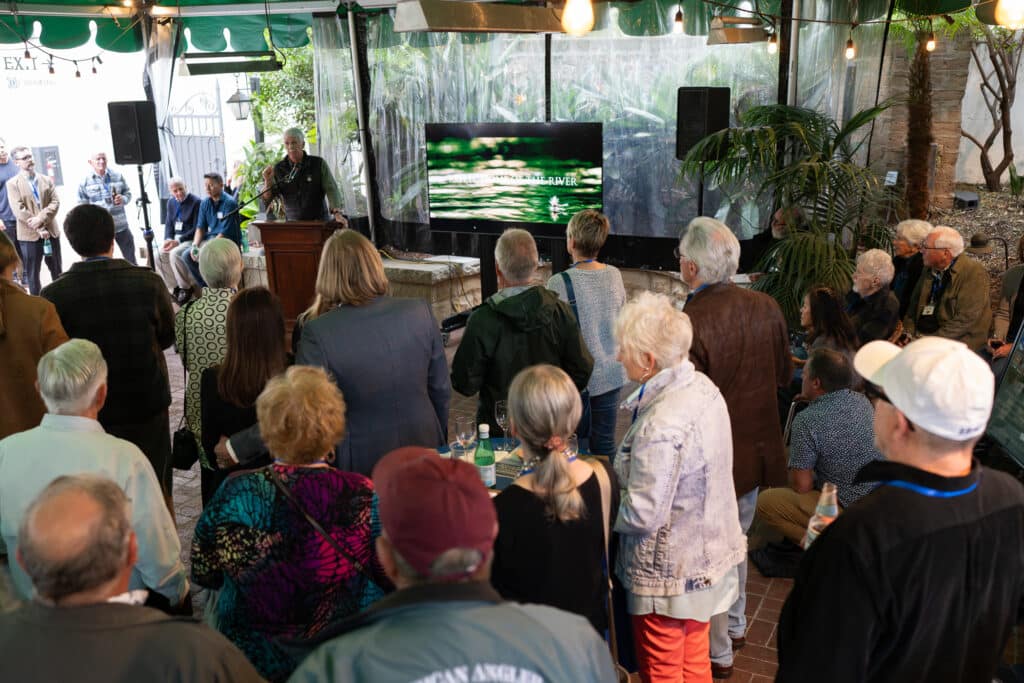
The main event opened with a panel discussion moderated by Chris Wood, President and CEO of Trout Unlimited. Four panelists took the stage to share their experiences with the film and conservation efforts. Wood laid the groundwork for the discussion by noting that “fly fishers are almost invariably great conservationists because they understand the connection between healthy habitat and quality fishing.” The panel included Tom Skerritt, author John Maclean, Executive Director of the Columbia Snake River Campaign Kayeloni Scott, and Outlaw Partners CEO Eric Ladd.
The hour-long panel discussion covered several topics, but the recurring theme was the power of storytelling and community. “How do you get someone to care about something if you’ve never seen it and never been there?” asked Kayeloni Scott. “This movie allowed people from across the globe to experience that place and fall in love with it.”
That love translates into a passion for rivers, which can lead to conservation success, especially when people are unified in their efforts. “Conservation groups going against developers is like bringing a knife to a gun fight,” said Eric Ladd, speaking from the unique perspective of being both a developer and a conservationist. “The developers will win every time, unless we all decide we need to save what we love.”
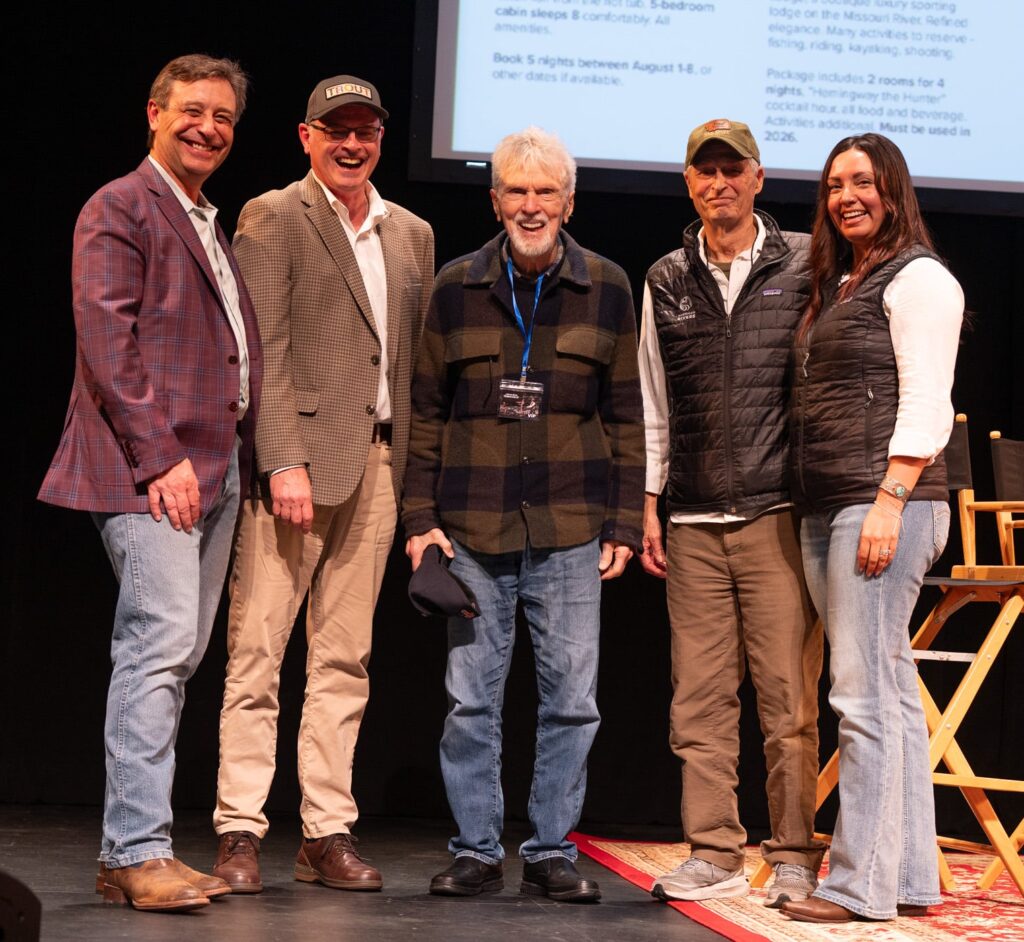
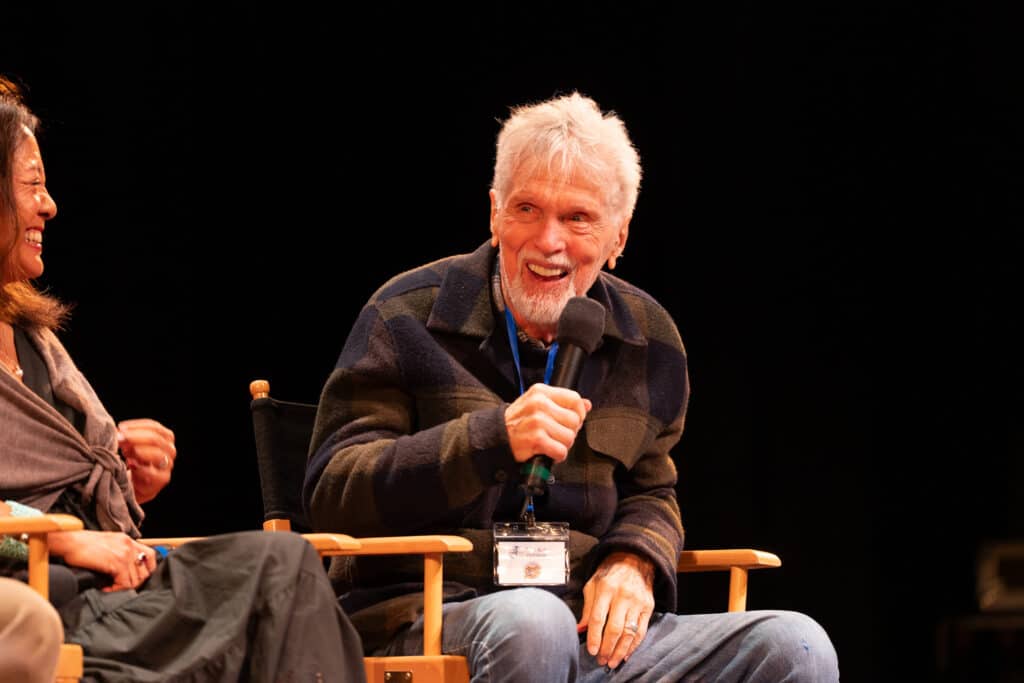
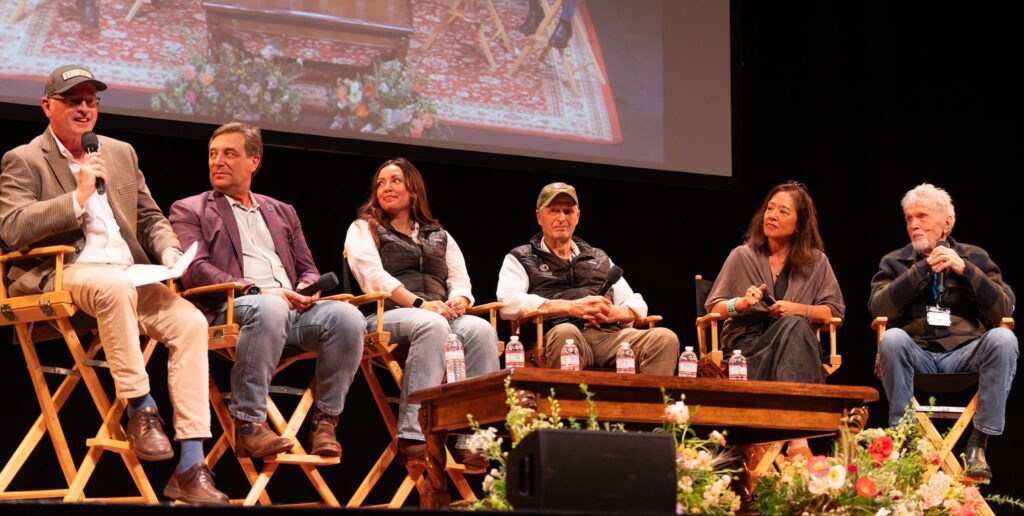
John Maclean, son of Norman Maclean and a noted author in his own right, spoke extensively about his father and his father’s work. The novella and film’s power extends beyond outdoor enthusiasts, as the fraught fraternal storyline resonates with viewers from all walks of life. “He didn’t just write a book to change fishing literature, which it did,” said Maclean of his father. “He wrote a book that changed people’s lives. He brought compassion to people who normally don’t get it.”
The panel ended with closing remarks from Skerritt. “I really have a passion for that film,” said Skerritt. “To have the opportunity to do a film like that, you can never forget something like that. It can really touch you in your heart and in your soul.” As the lights dimmed and the movie began, accompanied by resounding applause, it was clear that Skerritt wasn’t alone in feeling that this film was something special.
A more in-depth look at the panel discussion, as well as the film’s effects on the fly-fishing industry and beyond, will be featured in the Summer 2026 issue of California Fly Fisher magazine.