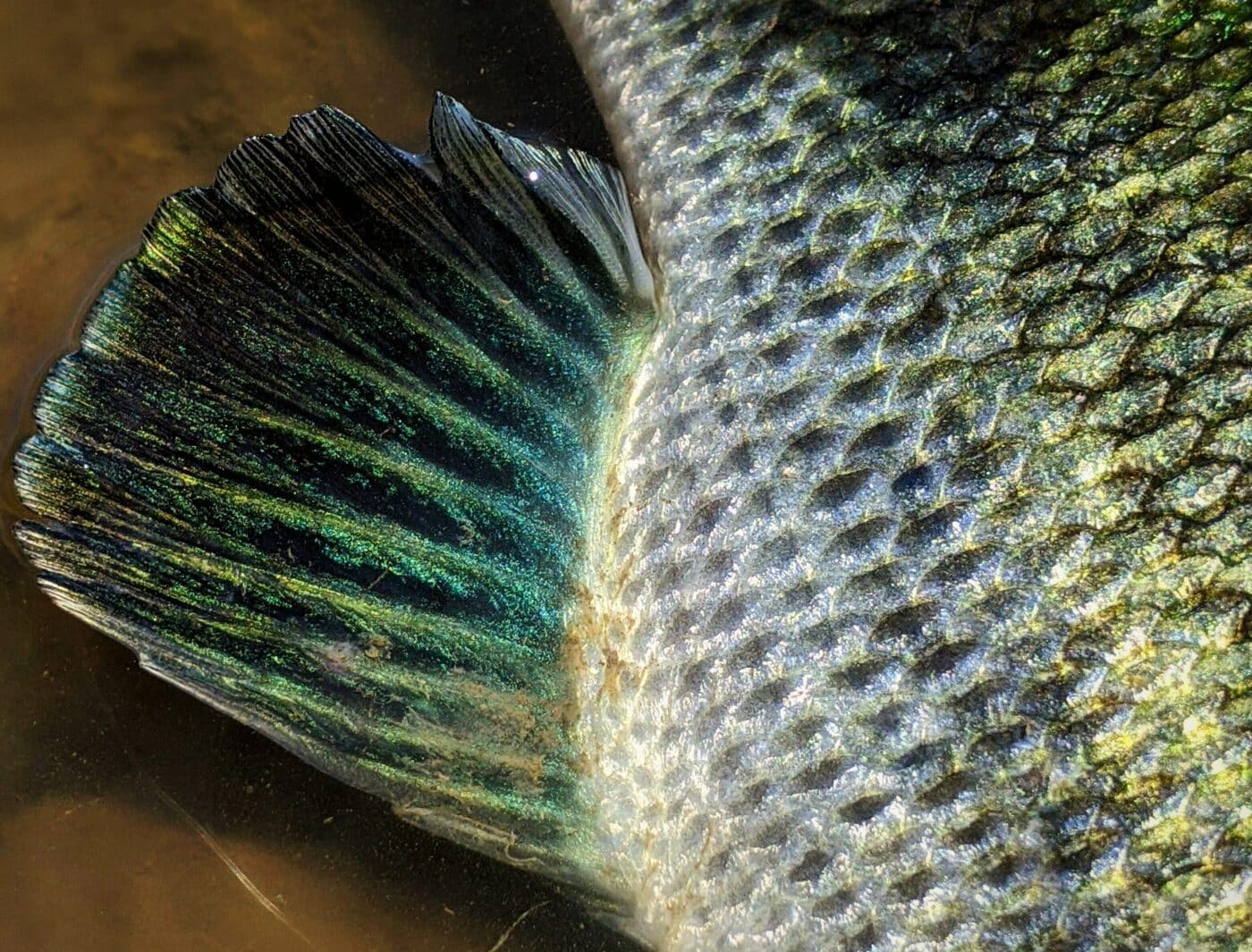

Photos by Dagur Gu∂mundsson
The truth is, largemouth bass are some of the most fun fish to chase on a fly. With explosive topwater and menacing streamer eats, and a fight like a boxer who wants to kill you, these green ditch pickles make for a great time on the water.
LARGEMOUTH BASICS
The largemouth bass might be the ultimate ambush predator: They’ll find a spot to lie in wait, often in heavy vegetation, among sunken trees, rocky reefs, or any structure that hides them from their prey and from other predators. Use this to your advantage—you’re not trying to cover every square inch of the water, just fish to the structure. Ideally, place your fly between the structure and something that blocks the prey from escaping, such as the shoreline, the surface film, another structure, or the bottom. A bass is more likely to leave its hiding place to attack if the prey has a lower chance of escape.
The great thing about largemouth is that you can find them in most bodies of water in California. The ditch behind your Walmart has them, as does that giant reservoir up the street. The lower, sloughy sections of rivers and creeks will have them, as will golf course ponds and the aqueduct canals throughout the Central Valley.
A common misconception is that bass are native to California. They are not. All the freshwater bass species we have in the Golden State are non-native west of the continental divide. When it comes to largemouth bass, we have two subspecies: the northern strain and the Florida strain. How does this knowledge affect you as an angler? Northern strain fish tend to be more plentiful and aggressive and won’t grow quite as large as the Florida strain. Florida strain largemouth tend to be more temperamental and prefer warmer, more consistent water temperatures, but they will grow larger than their northern strain brethren. However, there are very few fisheries left in California where these two subspecies haven’t hybridized, so I wouldn’t get too caught up in the genetics of it all. This is a big topic among bass anglers, so it’s good to be aware of what the terminology means.
GEAR
Keep your gear simple, especially when starting out. For most bass fishing, a medium-fast or fast-action 8-weight will be perfect for 90 percent of the situations you’ll encounter. An 8-weight will handle everything from small to large flies and a variety of lines.
As for reels, they are just there to hold the line for bass. Largemouth won’t run, and if they try to run, you don’t want to let them. You will mostly handline these fish to land them, so the reel is by far the least important part of your gear. I prefer a large-arbor reel to keep the line from coiling, especially with intermediate lines that tend to coil, but that’s about as much time as I’d spend thinking about which reel to use for bass. They will not test your drag.
Line selection for bass can often be intimidating for those getting started chasing the green menace. But when you’re starting out, I think it pays to keep it as simple as possible. Use a floating line such as the RIO Predator or ECHO Boost fly lines, which have an aggressive weight-forward taper and longer handling sections at the back of the head to control your casts. Accuracy is important when it comes to largemouth bass. That’s why I don’t like a shooting head line like the Outbound Short or Titan Taper lines that are popular with striper anglers. For smaller waters, a floating line is all you need. For larger reservoirs, an intermediate line will help you cover more water. I like the Airflo Striper or RIO Striper lines. As you get deeper down the rabbit hole, it can be helpful to have even heavier sinking lines to cover deeper water, but when you’re starting out, I’d focus on a floating line and an intermediate line. This will allow you to cover a variety of water with a variety of presentations while not overextending yourself.
FLIES
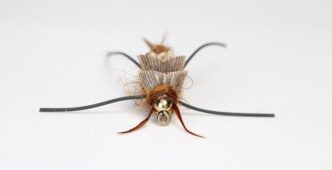
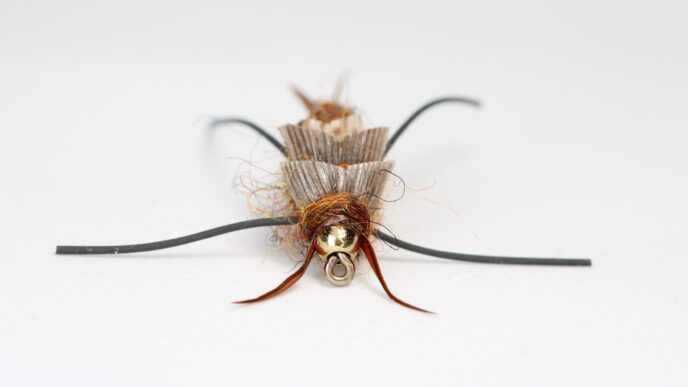
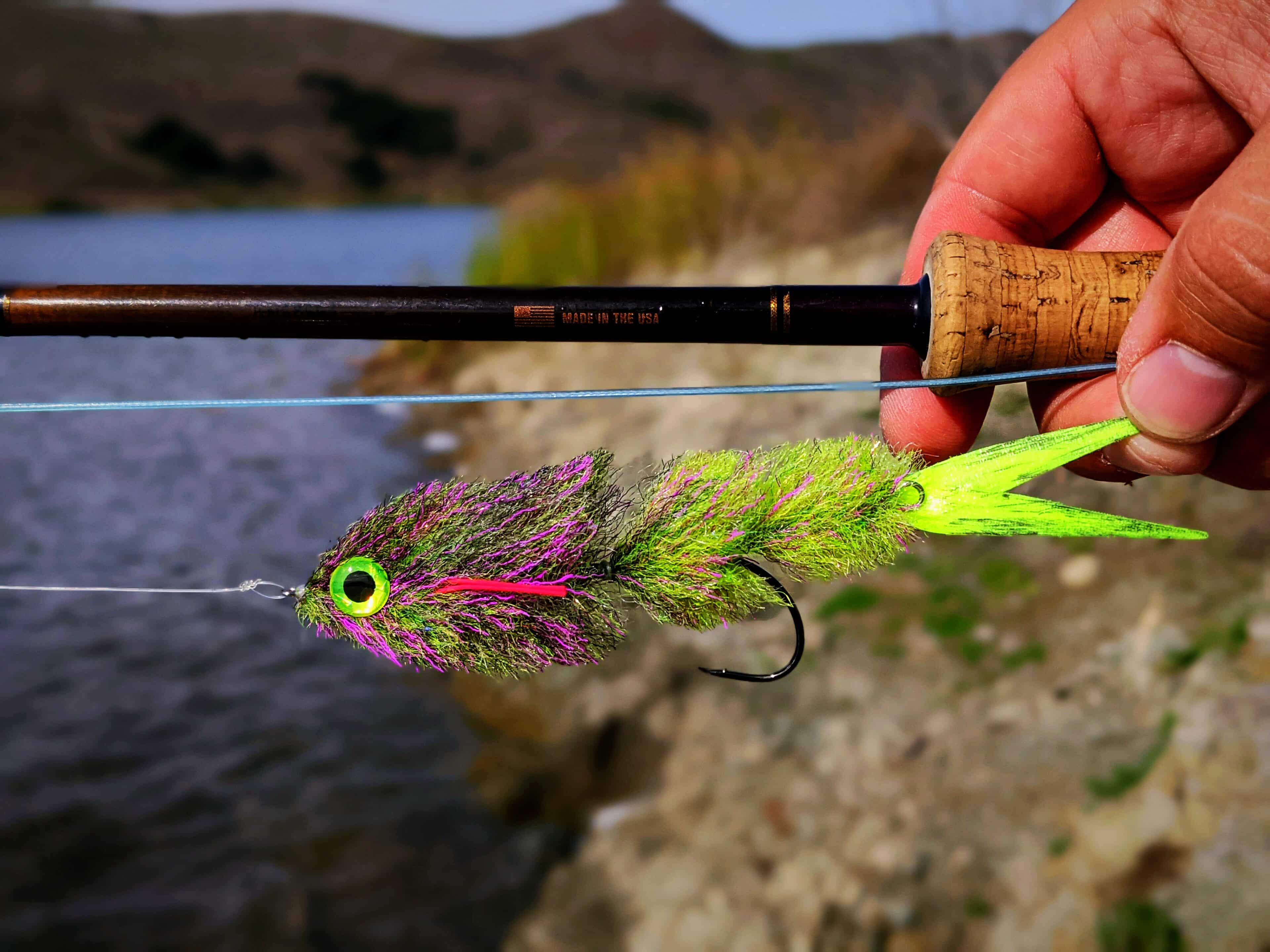
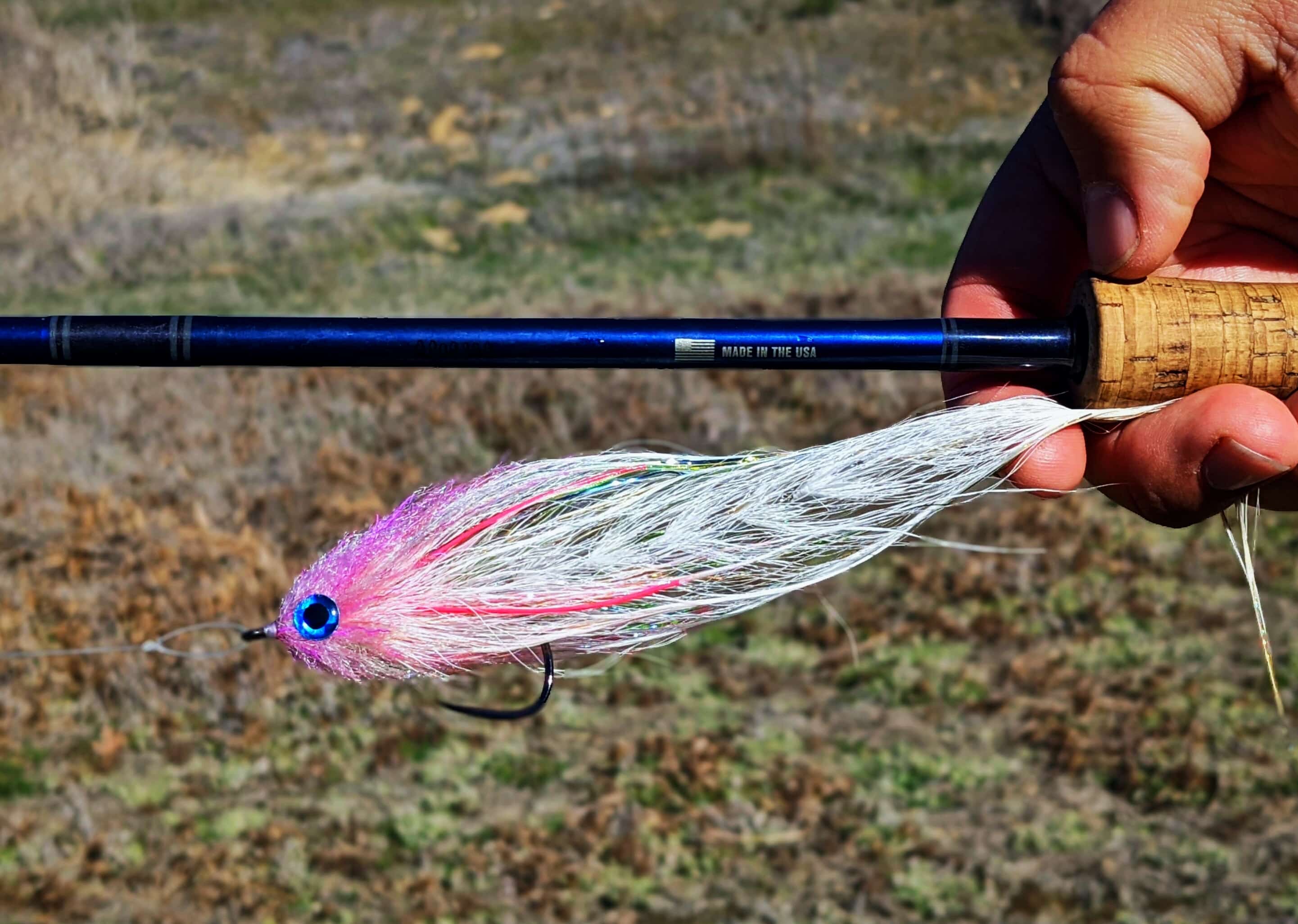
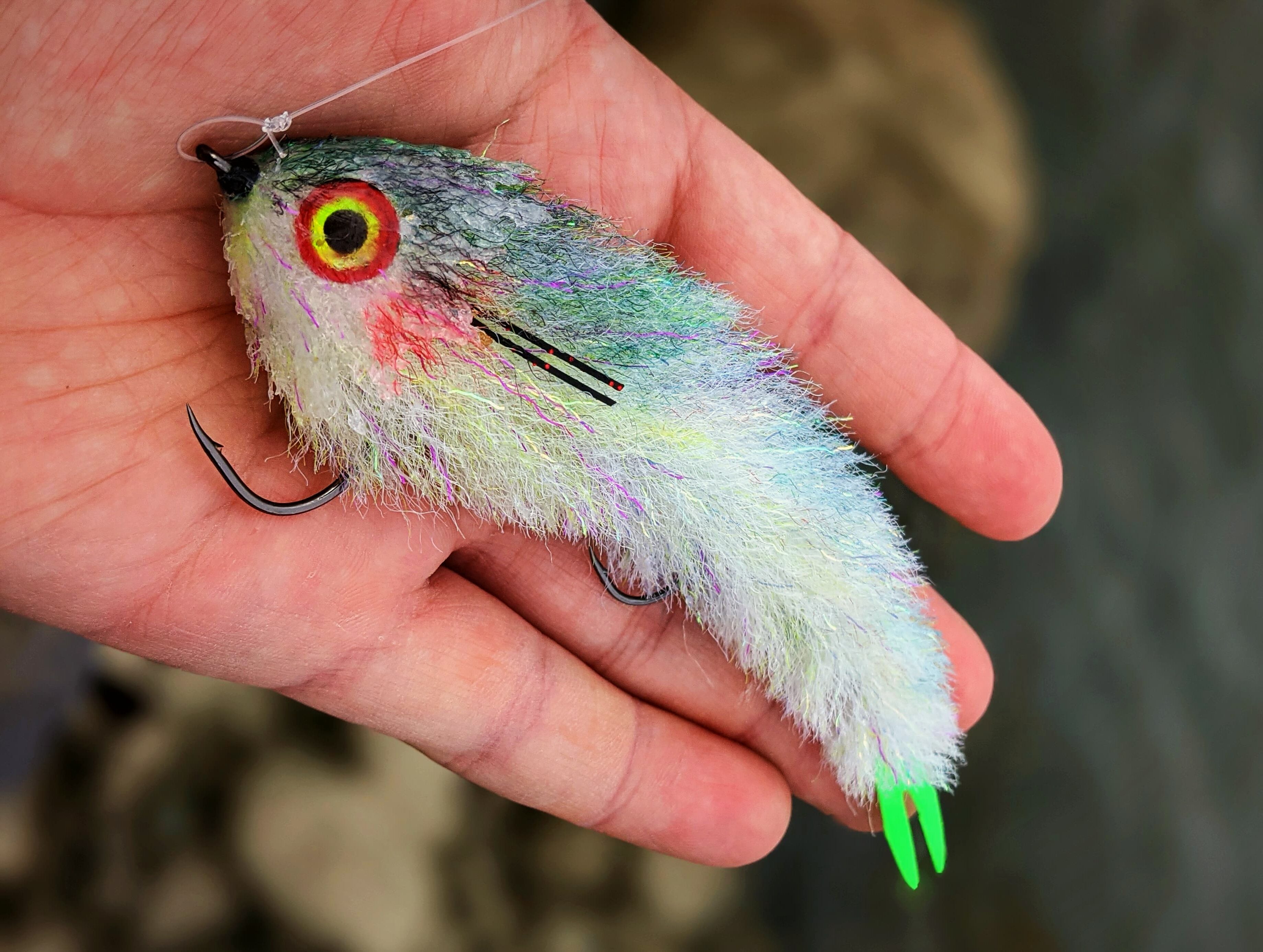
Flies are where the fun starts for the ditch pickle. Bass eat a variety of foods, from small stuff like midges and leeches to frogs, birds, and even trout and other bass. If you tie flies, the largemouth might just be the most fun fish to tie flies for, simply because of the variety of prey items to imitate and the amount of creativity you can pour into your flies.
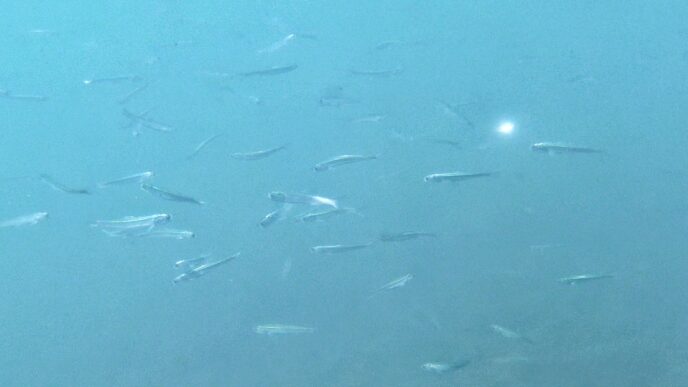
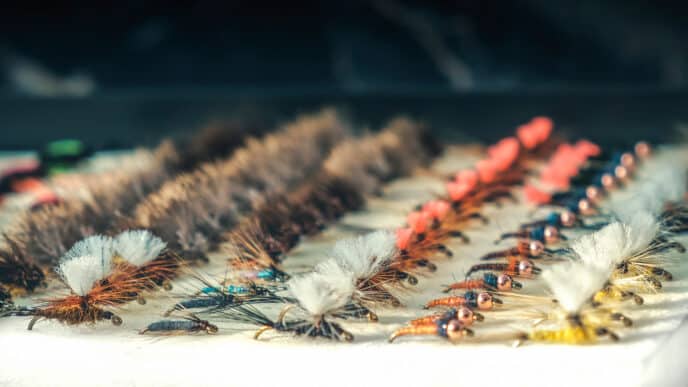
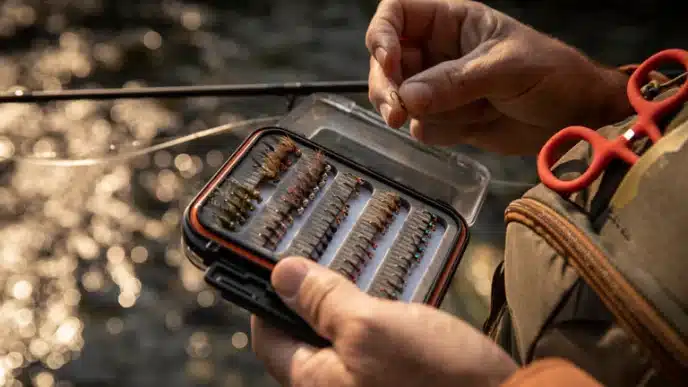
When stocking a good fly box for bass, you’ll want a good selection of leeches and worm-style flies, from a half inch long to six inches or longer for the larger worm-style flies. Baitfish patterns like a Clouser Minnow work great, but I prefer unweighted flies for most bass fishing because I can stall the fly on a pause, which is when a lunker bucketmouth will usually strike. Flies tied with a lot of bucktail or deer hair, like the Drunk and Disorderly, Deceivers, and Game Changers—sized to match the target baitfish—are excellent for bass. Most lakes in California have threadfin shad or similar baitfish in the 2- to 4-inch range, which makes a good starting point for matching the hatch.
Larger bass will tend to focus on larger food items, such as larger prey fish like trout or bass, as well as crayfish, frogs, baby birds, and mice and rats that end up in the water. If you want to focus on catching a 5- to 10-pound bass, it often pays to use flies that imitate these larger food items.
SEASONS
Spring is excellent for most largemouth fishing. Early spring is pre-spawn, when fish are coming out of their winter slumbers and feeding heavily before the spawn. Usually, bass will migrate from the main body of the lake into creek channels or shallow flats over a few weeks in early spring. You will find fish in various stages of the spawn by mid-March in most places in California. In the southern, warmer waters, it can be earlier, and in colder areas, it can be as late as April or May. Once they start spawning, they will sit on beds in the shallows, often very easy to spot. I like to leave them alone during the spawn, as you can always find fish still in pre-spawn mode in other parts of the lake, or after the spawn, feeding up in a post-spawn mood. After spawning, many bass will make their way back towards the main lake, and you can reverse your pre-spawn program to target bass after the spawn.
By mid-summer, you will have bass in super shallow waters around aquatic vegetation, making for some epic topwater fishing in the morning or evening hours. Look for areas where the fish have shade and access to heavy cover. This is the time to play with those frog flies, ripping them through the cover and waiting for a loud flush when the fish eats it.
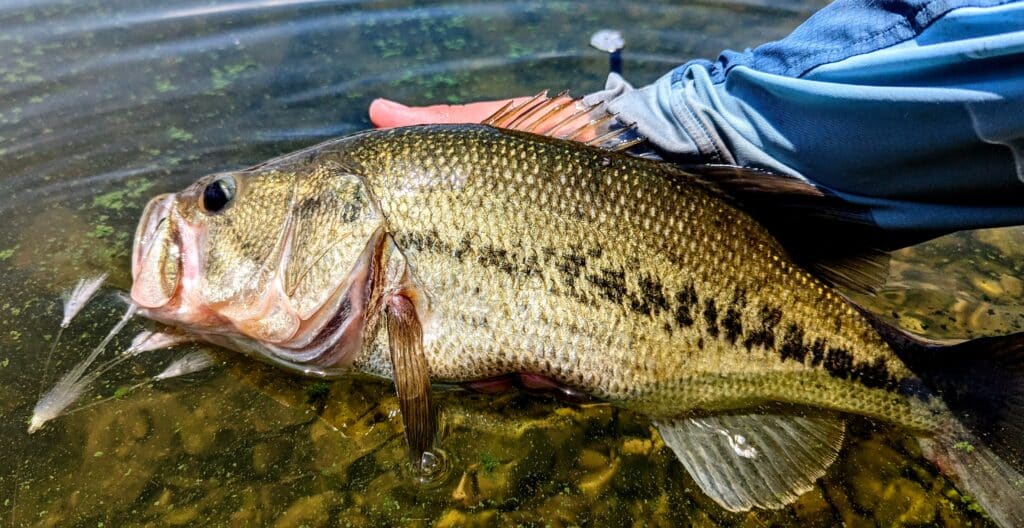
Fall is my favorite time to chase bass, as by the end of a long, hot summer, the fish have often become lethargic. Those first cooler fall nights signal to the fish that they need to start feeding up for the winter slumber, and they feed heavily. In lakes with a lot of shad, you will find schools of bass crushing through big schools of baitfish to feed hard. This is the time to fish a baitfish pattern aggressively and cover a lot of water fast. Once you find the fish, the action can be hot and heavy until they move on. The fish will be on the move, and so should you.
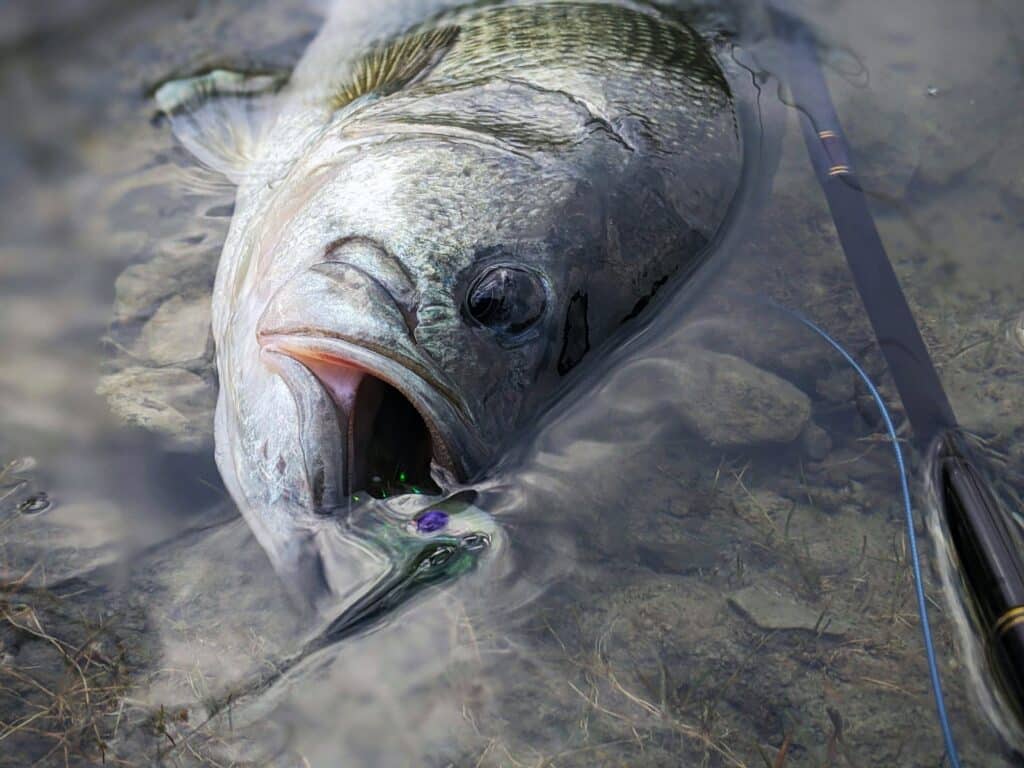
Wintertime is mild in most places where we chase largemouth bass in California, but the cooler weather still changes their behavior. Bass have a slower metabolism in the winter, which translates to shorter feeding windows. This is not the time of year to hurry out in the morning to chase them at first light—sleep in, get out around lunch, and fish through the warmest part of the day when the fish will be at their most active. Keep in mind that wind can have a huge impact on water temperatures. Being on the side of a lake or pond that is receiving the wind, therefore casting into the wind, will result in warmer water and more active fish. This is the time of year to slow down your presentation and target steep drop-offs, bluff walls, or main lake points. You might only get a few fish a day, but chances are they will be some of the largest fish of the year.
WHY BASS?
So why should you chase bass on a fly? I could give you a variety of reasons, such as that they will make you a better streamer angler, a better fly caster, or improve your reading of stillwaters. But mostly, bass are just a blast. The way they eat is fun, they live in cool places, and their aggression and predatory instincts are a sight to behold. So put away that 7X, Euro-nymph stick-and-indicator setup, line up an 8-weight, and try your hand at chasing your local ditch pickle.