
And what to do about it
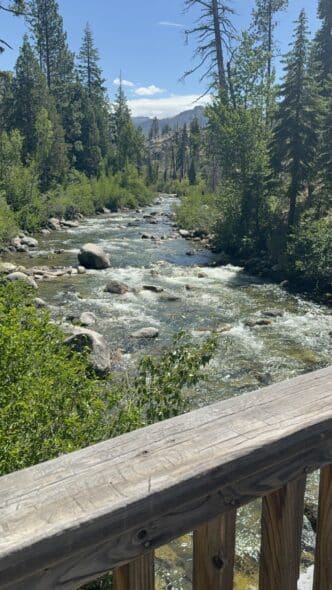
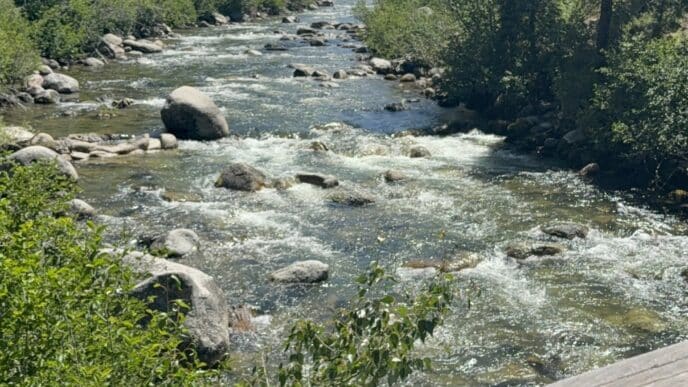
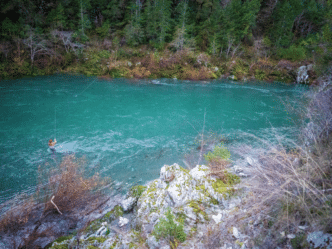
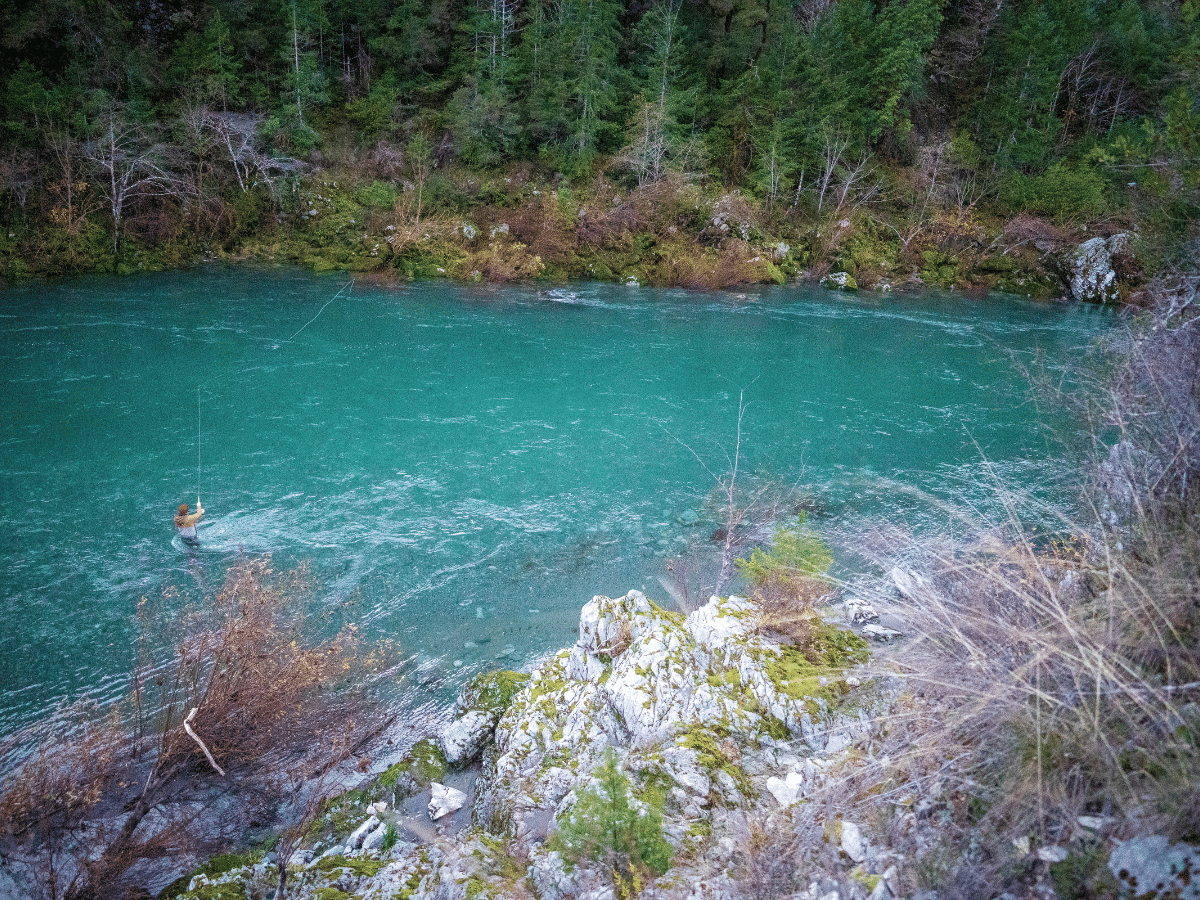
The Trinity River: Famous for its consistent steelhead runs.
The designated Wild Trout Water of the Kings River: Easy access to quality trout fishing for countless residents of the Central Valley.
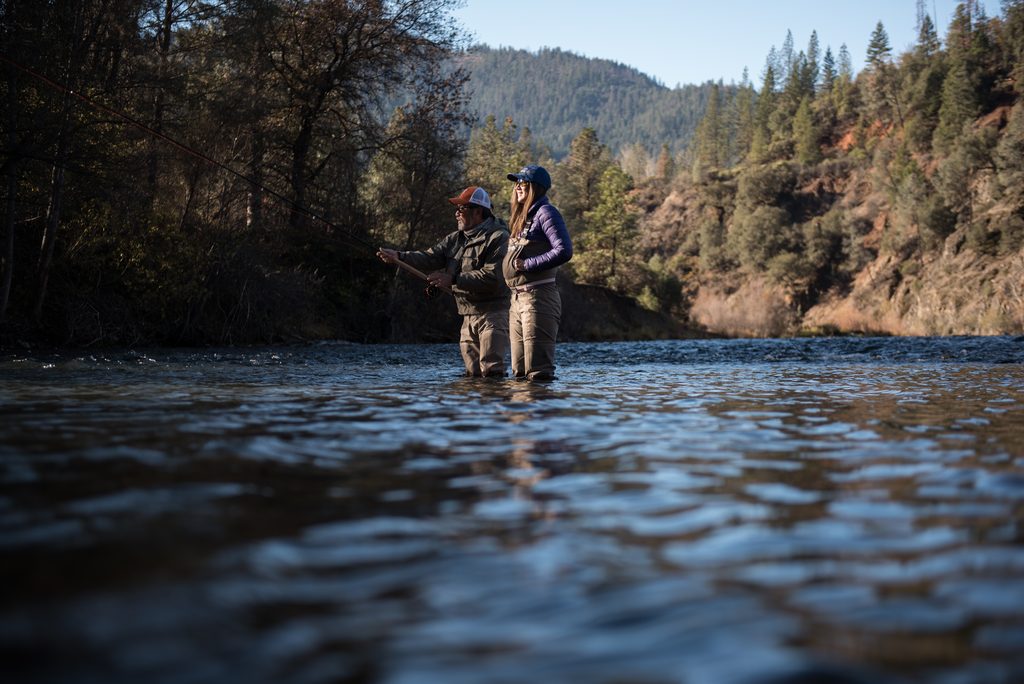
The East Walker River: Revered for large browns in a unique high-desert environment.
To say that these places are important to anglers in California would be an understatement. Whether a stronghold for native fish, the first river an angler casts into, or the chance to catch the trophy of a lifetime, these are among the best places for fly fishing in the state.
Since 2001, these streams and their fisheries have flowed from or through lands protected under the United States Forest Service’s (USFS) Roadless Rule, which prevents roadbuilding on nearly 58 million acres of USFS land, including nearly 4 million in California. The Smith River, Middle Fork Feather, and many other iconic streams are also protected by the Rule. While anglers have had to familiarize themselves with the specifics of the Roadless Rule in the last year, it has protected the places we love to fish for over 25 years.
Roads are one of the biggest influences on the productivity of aquatic and terrestrial habitats. Numerous scientific studies have documented that roads fragment habitat, introduce sediment into streams, and increase the likelihood of wildfire ignition.
Unfortunately, the Forest Service is working to rescind the Roadless Rule entirely. It’s time for anglers to stand up for these wild places that we love.
WHAT IS THE ROADLESS RULE?
The 2001 Roadless Rule is the result of a planning process initiated in response to rapid deforestation and the Forest Service’s ballooning backlog of road maintenance costs. Across USFS lands, there are already 370,000 miles of roads that contribute significantly (55%) to the agency’s current $10.8 billion deferred maintenance backlog. The process included 430 public meetings and 1.6 million public comments, of which 90% were in support of the proposed rule.
The Roadless Rule prevents only two uses of Inventoried Roadless Areas (IRAs): new road construction and commercial timber harvest. However, the Rule specifically allows roads to be built and maintained for active management, including fuels treatment and habitat restoration. Importantly, the Rule did not close any roads, and motorized use is allowed on existing roads within IRAs. Countless Californians have recreated in IRAs without even knowing it.
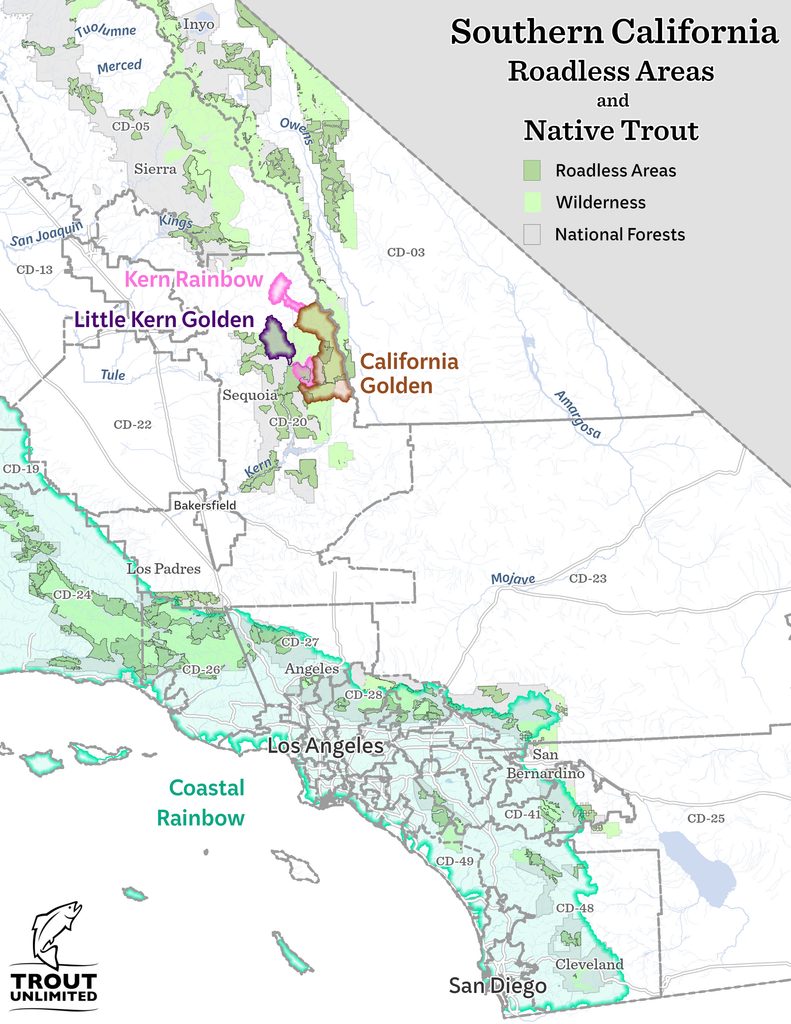
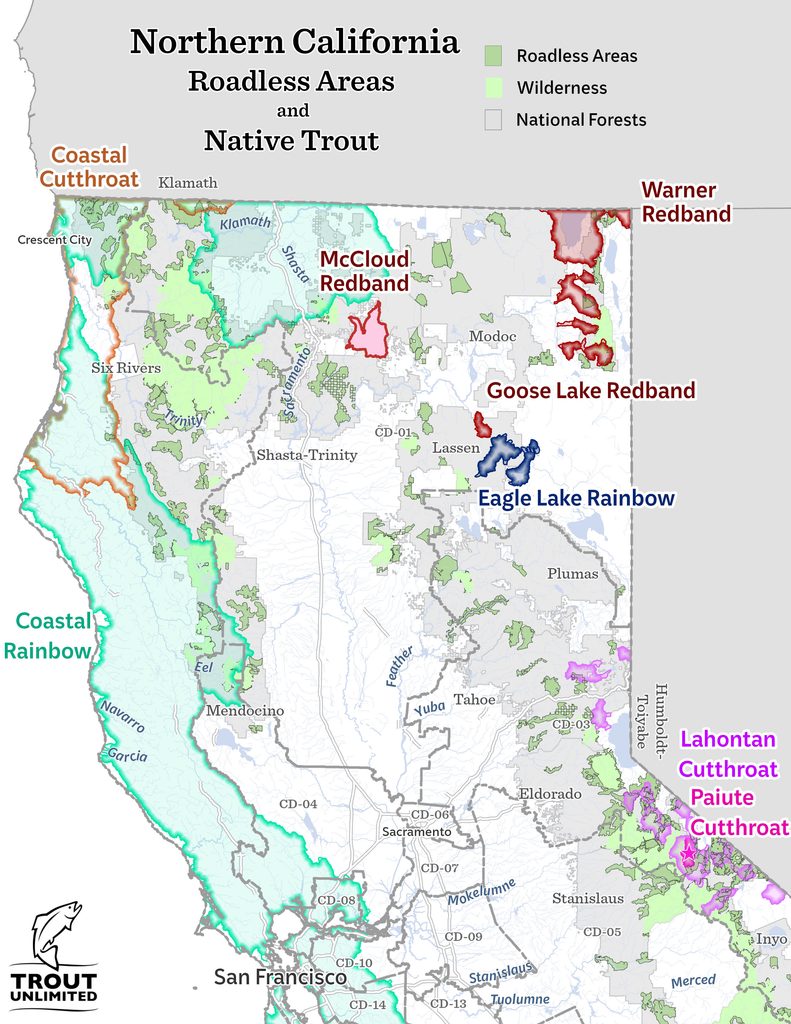
These IRAs are some of the best places to fish, not only in California, but in the country. Of the 4 million acres of Roadless Areas in the state, nearly 50 percent is habitat for native trout or salmon.
Chris Wood, current CEO of Trout Unlimited, worked for the Chief of the Forest Service at the time the Roadless Rule was being considered and played a lead role in writing and implementing it.
“Roadless areas are what remain of the landscapes that helped to define the character and mettle of America,”
Wood wrote in a recent post on TU.org. “While their value for hunting and fishing is undeniable, it is their importance to future generations that makes them irreplaceable.”
ROADLESS RULE RESCISSION
In 2025, the Forest Service commenced a rulemaking process to rescind the Roadless Rule. During the scoping (initial public feedback on the proposed action) period, over 625,000 people submitted comments, with the vast majority showing support for keeping the rule in place. From the 29 consultations held between the Forest Service and Tribes, the USFS reported, “The majority sentiment among Tribal governments consulted is opposition to the proposed rescission of the 2001 Roadless Rule, viewing it as a threat to inherent rights, Tribal sovereignty, cultural survival, and the ecological health of ancestral homelands.”
The Forest Service admits that rescinding the rule would cause degradation of lands and waters and negatively impact the outdoor economy: Think outfitters, guides, and fly shops. In its economic analysis of rescinding the Roadless Rule, the Forest Service finds:
The construction and use of roads can degrade the unique characteristics of roadless areas, such as their undeveloped nature, pristine landscapes, leading to loss of conservation values. These impacts from road development could negatively impact tourism and outdoor recreation, which are often drawn to the scenic beauty and intact ecosystems found in these areas.
In other words, anglers have a lot to lose if the Roadless Rule is rescinded.
TAKE ACTION
The period to comment on the Roadless Rule rescission has been extended to October 6th. Trout Unlimited has an online submission form where you can submit your comment, but it is extremely important to personalize it with, if possible, references to fishing in waters currently benefiting from the Roadless Rule’s protections.