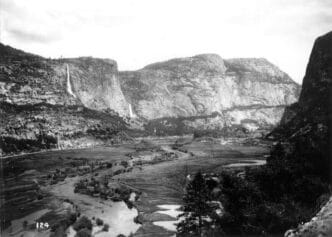
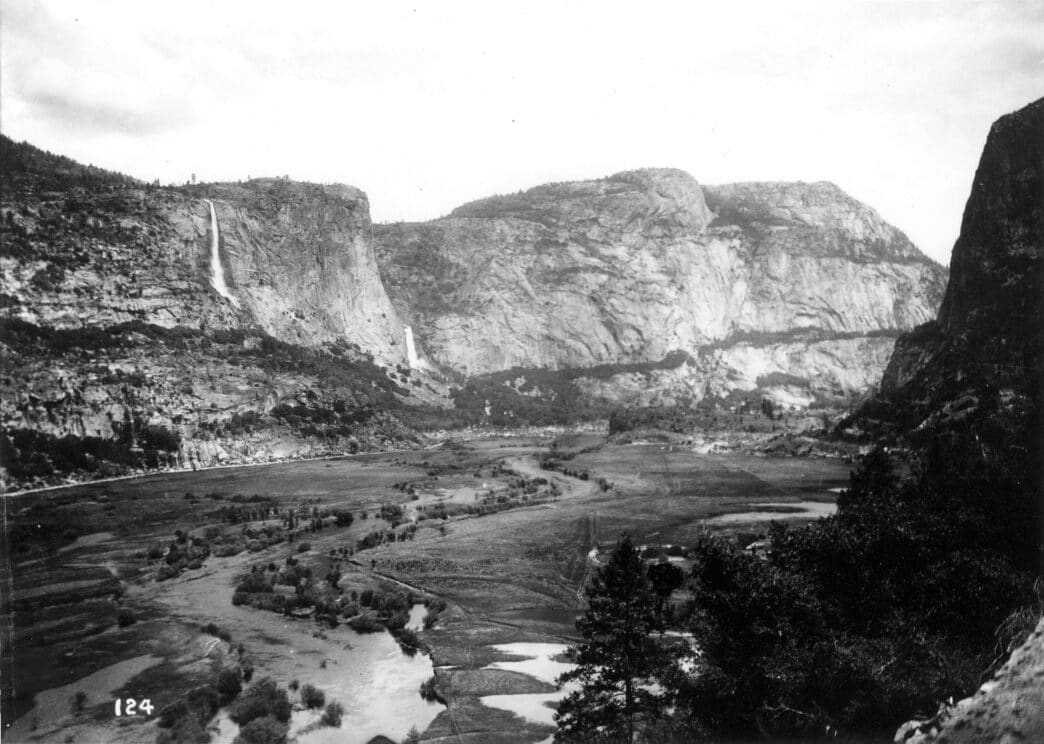
The Hetch Hetchy reservoir is formed by the O’Shaughnessy Dam. The city of San Francisco set its sights on the waters of the Hetch Hetchy Valley in the 1880s, and after the 1906 earthquake devastated the city, moved to take control of the Tuolumne River here and dam it. John Muir and other environmentalists fought for years to block the dam, but it was authorized by the also controversial Raker Act and completed in 1923. (Their fight and the controversy over the Raker Act helped spur the creation of the National Park Service in 1916.) Water from Hetch Hetchy still provides around a sixth of San Francisco’s water, and the city pays rent of approximately $30,000 a year (plus $8 million or so in “protection and security costs”) for its access. “Hetch Hetchy’s water could simply be stored in Cherry or Don Pedro reservoirs downstream,” Gregory says.
“I would love to see the river restored. You could maintain San Francisco’s water supply without losing a drop while creating one of the greatest environmental restorations of all time.” Gregory tends to sound a lot like Muir on this, who famously said of the Hetch Hetchy project:
“These temple destroyers, devotees of ravaging commercialism, seem to have a perfect contempt for Nature, and, instead of lifting their eyes to the God of the mountains, lift them to the Almighty Dollar … Dam Hetch Hetchy! As well dam for water-tanks the people’s cathedrals and churches, for no holier temple has ever been consecrated by the heart of man.”
John Muir
“If they were to undam it today, as I think they should,” Gregory told me, “I would argue they should leave the O’Shaughnessy Dam itself standing—if only as a testament to the folly and greed of man.”
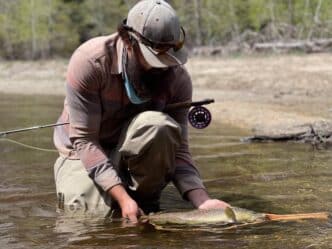
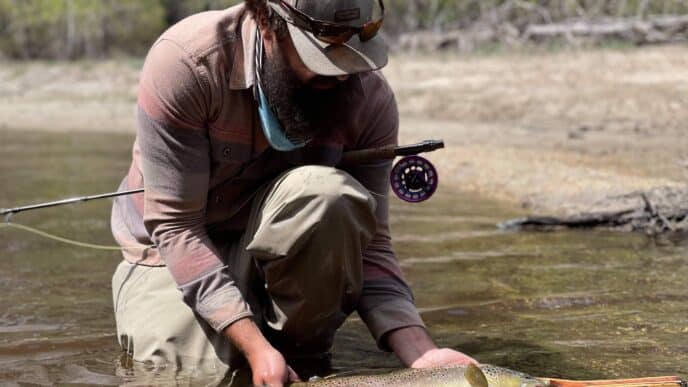
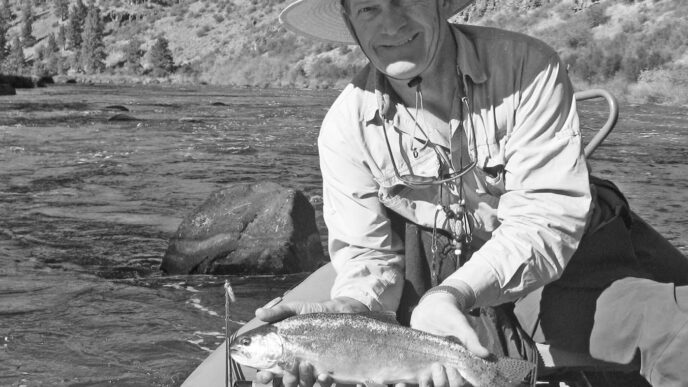
Access to Hetch Hetchy has been largely closed, and no boating, wading, or fishing is allowed below the high-water mark—unfortunate, as rainbow and brown trout exceeding 20 inches are present. (Gregory notes with frustration that the Raker Act was supposed to include millions of dollars for investments in recreation on the reservoir.)