REMEMBERING FRIENDS THAT HELPED ALONG THE WAY
When I was younger, my relationship with the Lower Yuba River was, let us just say, “complicated.” The river loved to hate me. I was sure the river was cursed, and I believed there weren’t any fish worth catching there. As a result, I completely gave up on fishing it. Several years after I started guiding, a good friend and outfitter I worked for convinced me to go back and give the river another try. Reluctantly, I agreed.
My first call was to friend and fellow guide Hogan Brown; this was his playground growing up. I followed up with calls to Tom Page, then owner of Reel Anglers Fly Shop, and Brian Clemens of Nor Cal Fly Guides—both good friends and fellow guides. Each of them has helped me learn and changed my opinion of the river. When I first returned, they all told me the same thing: “The Lower Yuba River does not fish like a typical tailwater.” That truth has held every day since I reconnected with the Lower Yuba.
There was one other guide friend I wanted to contact, and as fate would have it, I ran into him while on a scouting mission. Jon Baiocchi (rest his soul) was tight-lining a riffle. When I saw him, I pulled my boat to shore, dropped anchor, and walked upstream to say hello. I explained that I was relearning the Lower Yuba after stepping away from it for many years. Jon exclaimed, “That’s great, I’m glad you are here!” His next statement made me feel comfortable and welcome. He said, “If you need help with anything, do not hesitate to reach out anytime.”
I had met Jon several years earlier while having dinner with some guide friends at the Fly Fishing Show in Pleasanton. Both of us grew up in Paradise, California, learning and honing our skills on many of the same waters. Remarkably, we never crossed paths while fishing in our younger years. As I learned more about the Lower Yuba, Jon became a key part of my growth, taking on the role of a coach.
Jon and I became close friends over the last several years of his life. We often had phone conversations about entomology and hatch timing; Jon was great at insect identification. We also discussed how river conditions—temperature, flows, and water clarity—affect the fish. Sometimes, we simply compared notes from our days on the river. Many days, near the end of my drift, I would find Jon on the shore, reflecting on his day and enjoying the river. He would ask how my day had gone. On good days, he would be elated by my success. On tough days, he would raise his hands, shrug, and say, “It’s the Yuba!”
April 22, 2021, was a difficult and sad day for me. Jon called that morning to wish me a happy birthday before we met our clients for the day. Later that day, I received the news that Jon had passed away. I was shocked and devastated. I have missed his presence on the river every day since. Now, each year on my birthday, I try to fish somewhere and remember the lessons and encouragement Jon gave me. Occasionally on my drifts, I can still picture him hiking across the river in one of his favorite runs or sitting on the shore, smiling and waving.
Tom Page and Brian Clemens now occasionally serve as coaches. My bond with the Lower Yuba is built on the friendships I’ve made along the way. The river continues to teach lessons. Now I come here, eager to learn whatever it is willing to share, understanding that every day is different.
THE RIVER WITH A STORIED PAST—BUILT AND BROKEN BY GOLD
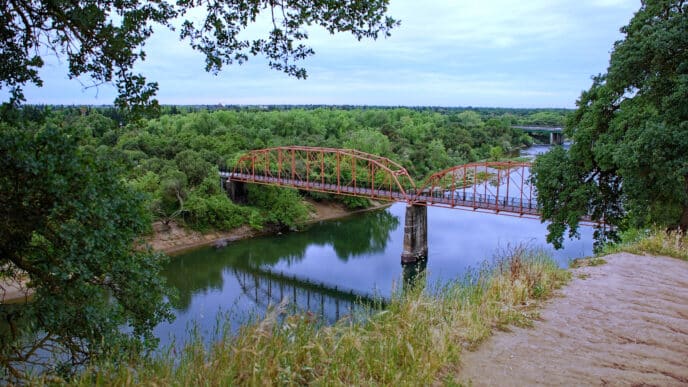
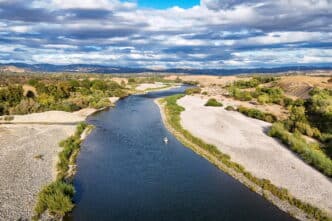
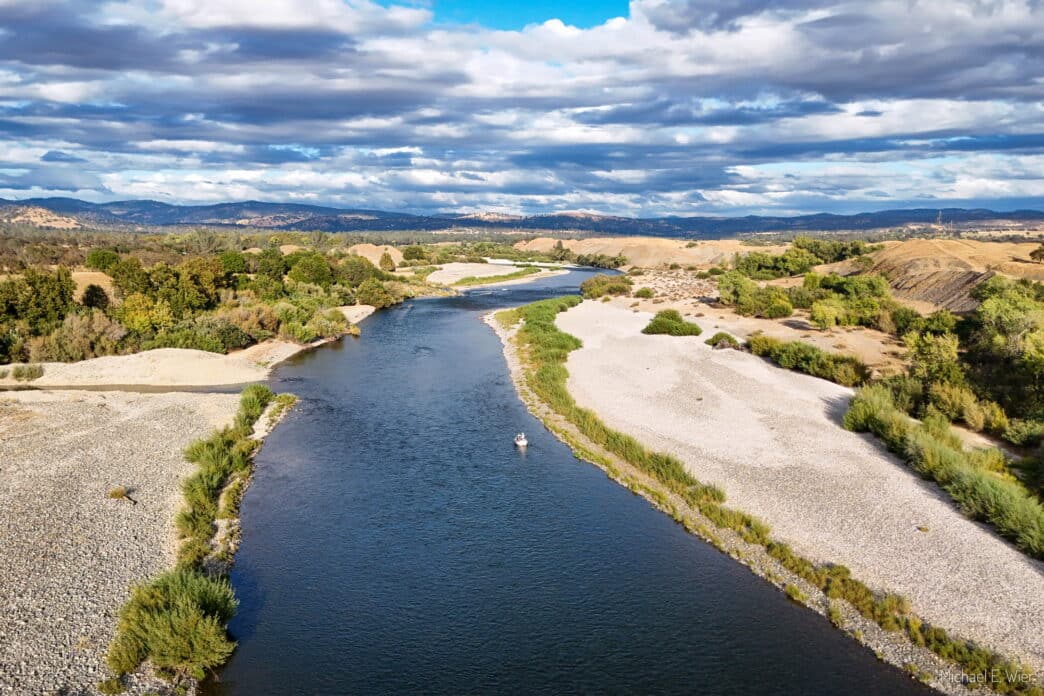
The Lower Yuba River is a wild fishery unlike any other in California. The river starts in the Sierra Nevada foothills and carries a rich, rugged history. Formed by the confluence of the North, Middle, and South forks of the Yuba rivers, it flows below Englebright Dam and travels about 24 miles downstream to Marysville, where it joins the Feather River, a tributary of the Lower Sacramento River. Today, it remains a resilient, serene, wild fishery and technical tailwater, but it was once one of the most heavily mined rivers in California and the United States.
Gold was discovered here in 1848. Within two years, the historic town of Timbuctoo sprang to life along the riverbanks. Hydraulic mining soon followed, reshaping the Lower Yuba for over three decades until it was halted in 1884 due to downstream sedimentation and mercury contamination. In 1893, dredging began to reduce siltation from hydraulic mining. By 1904, large-scale commercial dredging shifted the focus back to gold recovery and continued until 1968. When dredging ended, parts of the river were barely recognizable as a river at all. It is historically one of the most productive gold-bearing rivers in California and the United States. Even today, it’s rumored that some aggregate companies still find gold among the rocks.
A RIVER IN RECOVERY
Since dredging ended, state, federal, and independent agencies have been working to restore the Lower Yuba’s environmental balance—reviving its natural channel and flow, as well as its aquatic species and riparian vegetation. Starting in the 1990s, research and restoration efforts focused on reestablishing wild Chinook salmon, rainbow trout, and steelhead. Remarkably, the fishery has begun to bounce back. Often referred to as a “blue ribbon” fishery, the Lower Yuba is recognized as both Designated Wild and Heritage Trout Waters by the California Department of Fish and Wildlife, supporting one of the last native wild trout populations in the Northern California Central Valley.
Today, the river also supports Sacramento pikeminnow, Sacramento sucker, sculpin, catfish, Pacific lamprey, green and white sturgeon, smallmouth bass, American shad, and striped bass.
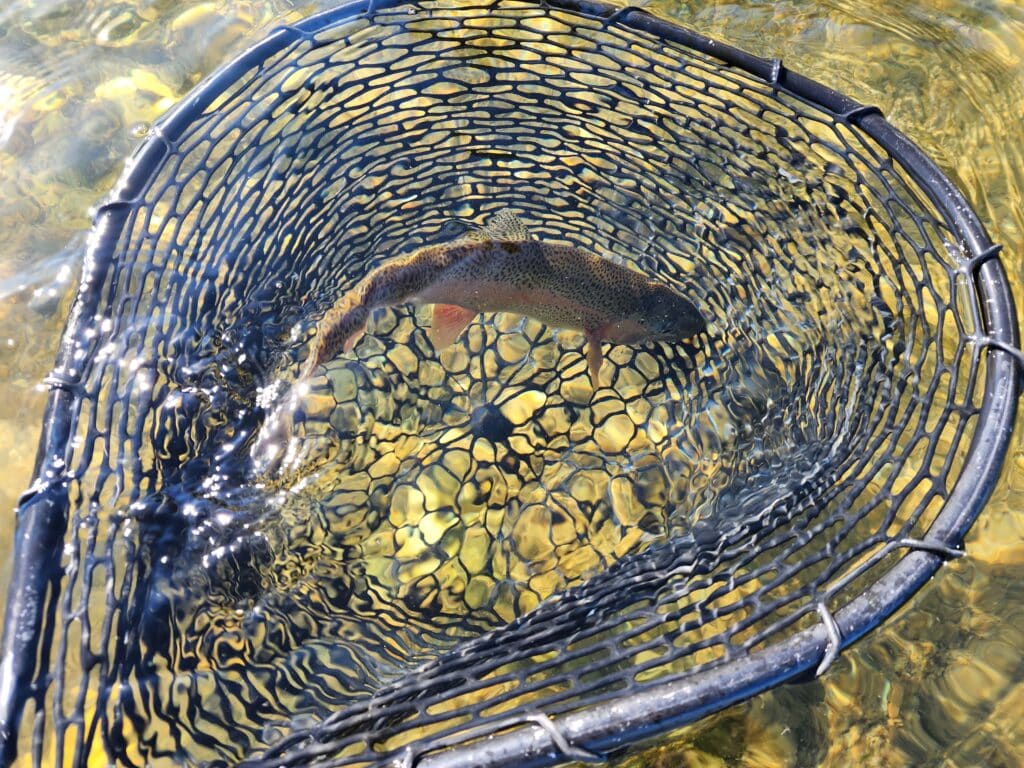
What truly distinguishes the Lower Yuba is that it has no hatchery. The salmon, rainbow trout, and steelhead here are truly wild, forged by decades of unforgiving flows, limited habitat, and fierce competition. Special regulations are in place, requiring artificial lures with single, barbless hooks and enforcing a zero-fish limit (catch-and-release only) for rainbow trout and steelhead. Fishing for salmon is prohibited year-round. This underscores the commitment to preserving the river. While the rainbow trout and steelhead here may not be the largest in the Sacramento Valley, pound for pound and inch for inch, they rank among the toughest fighters anywhere. These fish do not know the meaning of quit and have earned every ounce of their reputation.
TWO RIVERS IN MORE WAYS THAN ONE
Though technically a tailwater, the Lower Yuba fishes more like a classic spring creek for much of the year. Its gin-clear water demands ultra-technical presentations, its reliable insect hatches keep anglers honest, and its discerning wild trout and steelhead rarely offer second chances. Yet the river refuses to be defined by a single identity. At certain flows, it takes on the pushy, high-gradient traits of a freestone stream, quickly reshaping holding water and altering fish behavior.
This dual nature is one reason anglers struggle here. Cold flows from Englebright Dam regulate the system and sustain a year-round fishery, but they also create a dynamic environment where conditions and trout behavior change often. Success goes to anglers who understand this dual personality and adapt.
What makes the Lower Yuba special is that there is almost no off-season, depending on weather and flows. It is a river with nearly continuous hatches. For anglers, the Lower Yuba River is best understood as two distinct fisheries.
The Upper Section extends from Englebright Dam downstream to Daguerre Point Dam. It offers about 12 miles of fishable, productive water. Defined by highly technical water and prolific insect life, anglers target wild rainbow trout and steelhead here. Throughout this section, anglers can match a wide variety of insect activity throughout the year. The timing of these hatches varies seasonally depending on river flow, weather, and water temperatures.
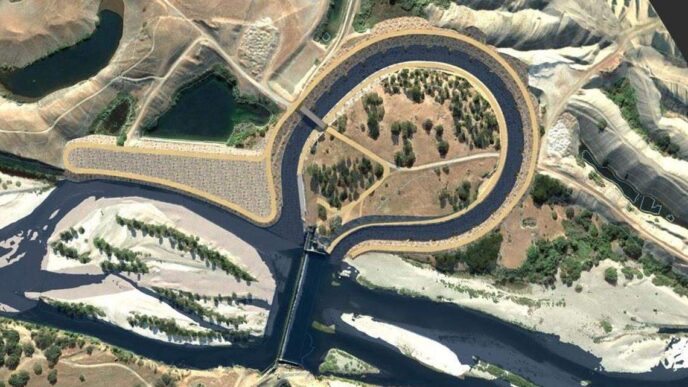
[Read “A Dam Dilemma: The Yuba River’s Nature-Like Fishway”]
The Lower Section stretches from Daguerre Point Dam 12 miles downstream to Marysville. Here, the river slows down and widens, providing habitat for smallmouth bass, American shad, striped bass, steelhead, and rainbow trout. Trout in this stretch are true survivors—competing directly with stripers for food while also being prey for the larger fish.
PRODUCTIVE TECHNIQUES
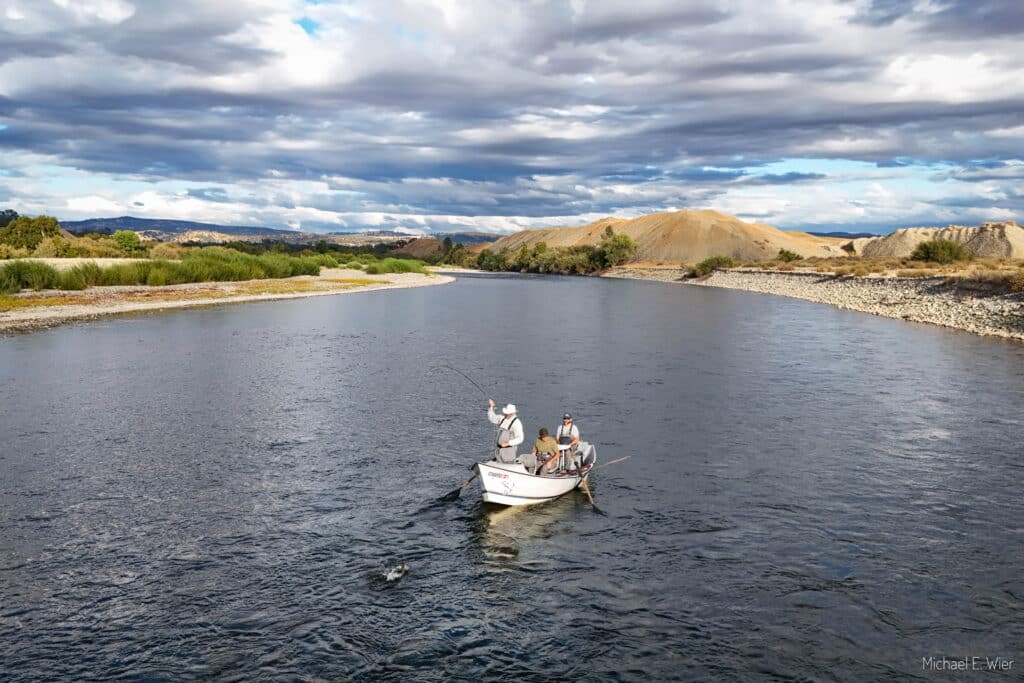
The Lower Yuba rewards adaptability, and almost any technique you can think of can be productive on any given day. Dry flies, indicator nymphing, tight-line techniques, and swung flies all have their place, depending on the hatches or river conditions. Indicator nymphing remains the most popular method overall, both from shore and from a drift boat. Tight-line or high-stick nymphing also works well in the upper section’s technical water while wading. There are year-round dry fly fishing opportunities, from shore and from a drift boat, if you have the patience. Spey, switch, and single-hand swing are effective while walking and wading. Single-hand swing and streamer fishing produce results for every species in the river throughout the year, whether wading or drifting.
ACCESS, PRESSURE, AND REALITY
Public access remains one of the biggest challenges for the Lower Yuba River. Despite being a top wild trout fishery, much of the river’s access is private. Currently, there are only three established public access points: Sycamore Ranch, Hammon Grove Park, and a hike-in spot on the south side of the Highway 20 bridge. The closure of Parks Bar, a once-popular entry point, is now gated, further limiting options and increasing pressure on the remaining access sites. Still, anglers willing to hike and explore can find solitude and exceptional fishing. While access requires more effort than before, that effort remains part of what defines the Lower Yuba experience.
A RIVER THAT ALWAYS TEACHES
The Lower Yuba River truly offers something for everyone, but don’t be fooled. These fish are smart and have no problem bruising a few egos along the way. One day, the fishing is lights-out, and you feel like you’ve cracked its secrets. The next day, you show up with the same flies, the same confidence, and the fish won’t even look at you. This river doesn’t give up its secrets easily; it makes you earn them.
The Lower Yuba is often described as the most technical tailwater in the Sacramento Valley, and that reputation is well deserved. But that challenge is also what makes it special. It challenges beginners learning the fundamentals and pushes veteran anglers to improve their techniques. It forces you to slow down, pay attention, adjust, and respect the process. Every time you fish the river, there is a lesson waiting.
If you’re willing to put in the work, time, and effort, the river will always teach you something new. It’s more than just catching fish; it’s about patience, adaptability, and understanding a river that has experienced more than most and is still finding its way back. To fish here isn’t just about casting a line; it’s about witnessing the rugged history and ongoing rehabilitation of the Lower Yuba River as it returns to its natural beauty in real time. What keeps us coming back isn’t just the fish but the challenge, the humility, and the strong connection to a river that never stops teaching us.
Upper Section Hatches & Bugs
Alevin/Sac fry – Late-December through February
Skwala stoneflies – Mid-January through March
Pink Albert mayflies – Mid-February through mid-April
March brown mayflies – March through May
Pale morning dun (PMD’s) mayflies – March through September
Grey drakes mayflies – April through June
Ants – April through October
Caddis – Various species present year-round, peak hatches are May through October
Little yellow stoneflies – Mid-May through August
Golden stoneflies – Mid-May through July
Hoppers – June through mid-September
Trico’s – July through September
Mahogany dun mayflies – Late August through mid-November
Blue-winged olives – January through April, September through November
EGG PATTERNS:
Salmon eggs – October through January
Trout spawn – February through May
Sucker/Pike minnow spawn – March through June
Midges – Every month of the year
Lower Section Species
Smallmouth bass – Late May through September
American shad – May through July
Stripers – Present year-round. Peak season is late May through August
Steelhead – October through March
Rainbow trout – Present year-round