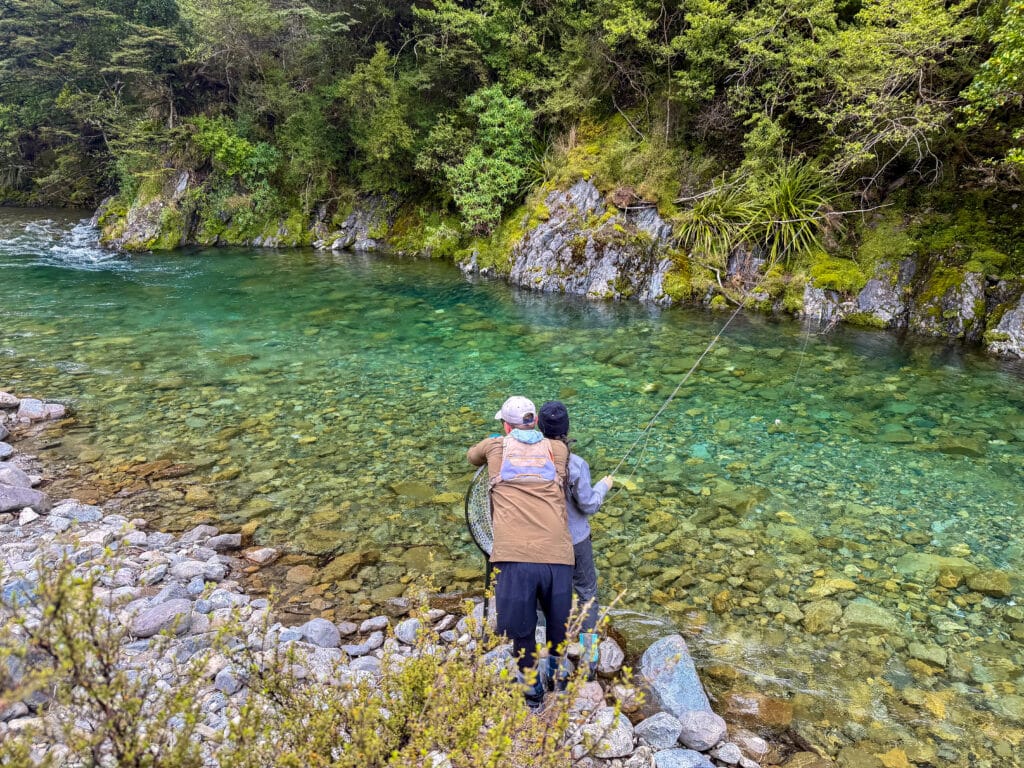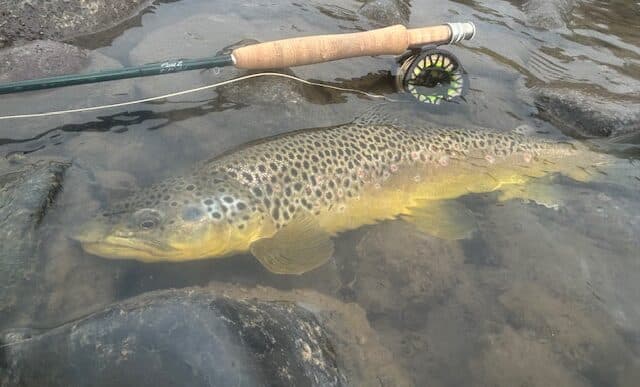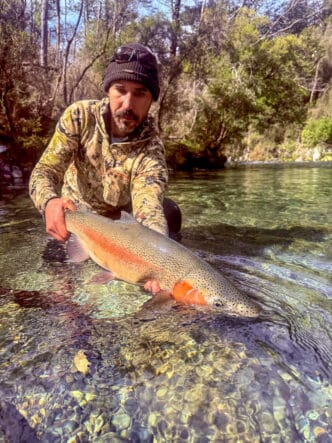
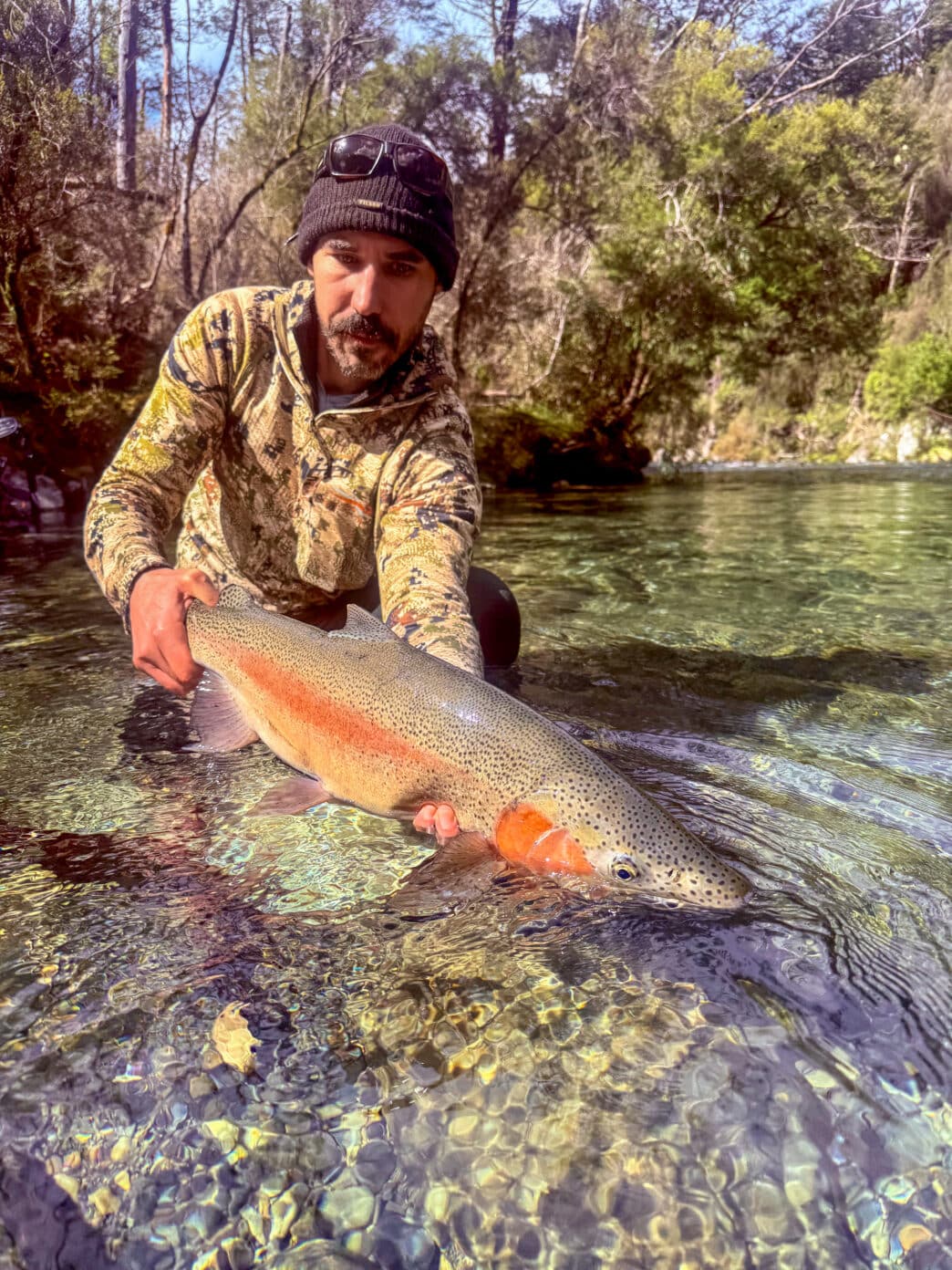
As fog enveloped the state for much of November and December, Julie and I opted to follow California trout to New Zealand for our honeymoon. We chased stocks of Russian River and McCloud rainbows in the crystal-clear rivers of the North and South Islands. The steelhead genetics were on full display in these large, vibrantly colored, now-landlocked rainbows. Kiwi-expat trout had upped the game, offering the finest trout fishing I’d ever experienced. We clambered through what felt like our very own trout-fishing paradise, without another angler for miles. High spring flows and dense thickets of matagouri—a miserable, spiny plant—made moving upriver challenging at times, but with a fish of a lifetime visible in nearly every pool, I could hardly get to the next run fast enough.
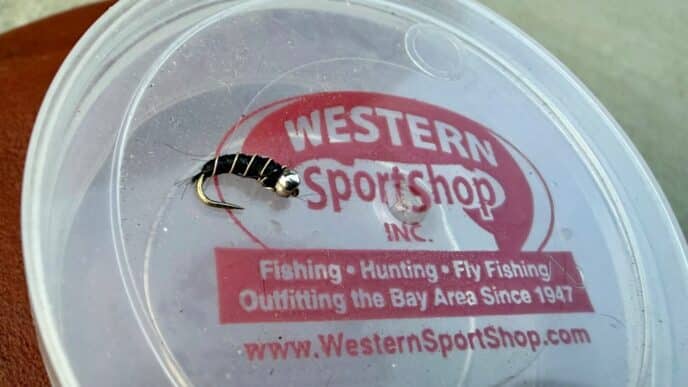
As advertised, there were very few fish per mile, and each enormous trout owned its pool, holding in the most optimal spot to feed and rest. The rainbows, less wary and picky than the browns, readily ate a well-presented fly, typically on a 15-foot 3X leader. The first cast was nearly always a dry fly, and if the fish did not react, a tarnished bead Pheasant Tail or stonefly soon followed with almost guaranteed success—so long as the cast landed softly and outside the rainbow’s field of view.
Browns, on the other hand, were prone to holding in obnoxiously challenging water and seemed to sense our presence long before we saw them. Dressed in camo, we snuck up on them and simply watched for a while. We watched them feed and decided whether they were even fish we wanted to catch. Once we observed a fish feeding, we tried to identify the exact lane it was using. After casting to one side of a particular fish, I noticed two rocks several feet in front of it that formed a funnel. As soon as I threaded the needle between those rocks and got the fly into the thin current the fish was feeding in—bingo—the fish was on. Every fish was a new challenge, some easier than others; like the one under a log in a back eddy on the far bank (I didn’t land that one.)
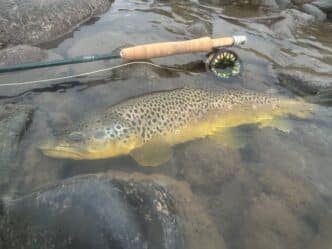
Reflecting on these experiences, and having heard fish stories my entire life, I was surprised that New Zealand lived up to the hype. As anglers, we often wish for one of two views: bird’s-eye or fisheye. The view in New Zealand was both. Watching how the fish behave during each interaction was fascinating and unlike anything I had ever experienced. Fishing a streamer became a game of cat-and-mouse, not just a flash or a swipe. The heart-pounding visual of a 28-inch brown trout with a linebacker-like neck rising slowly to engulf your dry fly can leave you slack-jawed and fishless because you couldn’t possibly believe anything could take that long.
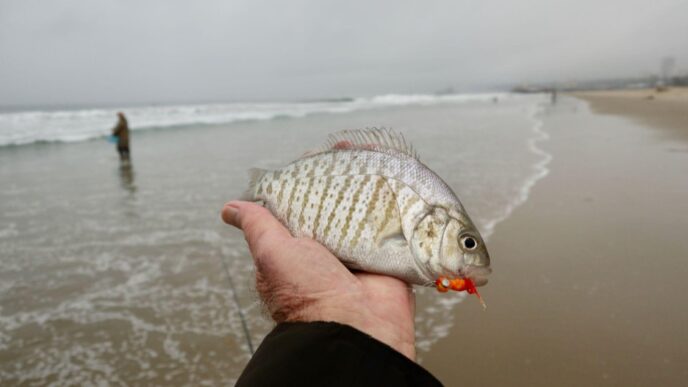
As the year ended, I reflected on my experiences, not on the number of fish I caught but on how many days I spent on the water and, perhaps most importantly, who I did it with. 2025 was a successful year because of my New Year’s goal to check four items off my very long “bucket list.” You’ll see my favorite fish of the year is featured in the Lost Coast Outfitters ad for the joy it brought. I try to choose a New Year’s goal that enriches my life rather than a resolution that is easily abandoned or rooted in self-criticism. This year, my goal is to catch a Chinook on the fly in the surf. I know this is a bit of a fool’s errand, but worst-case scenario, I’ll spend a lot of time at the beach, which serves equally as a gym and classroom. I hope you make an equally enjoyable goal! Whatever you decide, may your casts land softly and on target.
Stay Fishy, California.